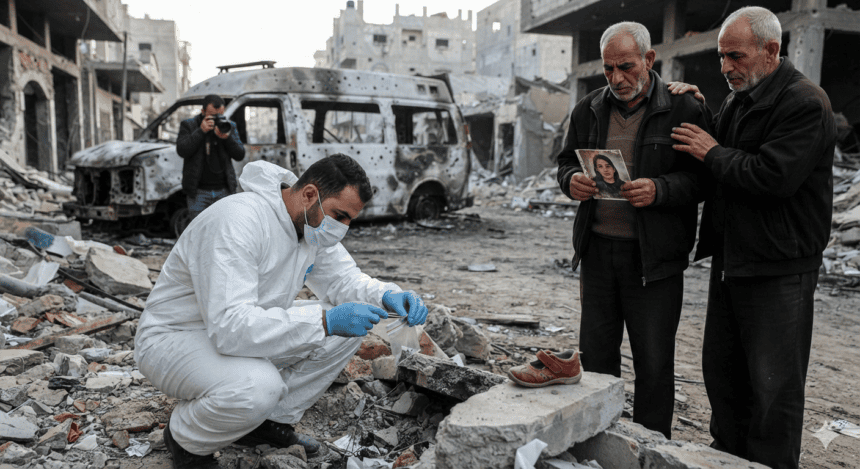
The Israel Defense Forces has opened a criminal investigation into the deaths of six-year-old Hind Rajab and the two ambulance crew members sent to rescue her in Gaza City last February. The move follows months of international pressure and mounting evidence regarding the incident, which became a grim symbol of the civilian toll in the ongoing conflict.
The military’s advocate general ordered the probe this week. Investigators are now tasked with determining whether the tank fire that struck the Palestine Red Crescent Society ambulance was a tactical error or a breach of the laws of war.
For the families involved, the announcement offers little immediate comfort. Hind Rajab’s mother, Wissam Hamada, has spent months demanding accountability for a tragedy that unfolded over three hours of desperate, recorded phone calls to dispatchers. The child had been trapped in a car with the bodies of her relatives after their vehicle came under fire.
The two paramedics, Yousef al-Zeino and Ahmed al-Madhoun, were killed when their ambulance was hit by shells while approaching the site. Despite the Red Crescent coordinating the route with the Israeli military beforehand, the vehicle was destroyed just meters from the family car.
The investigation faces significant skepticism from human rights groups. Critics point to the military’s internal review processes—which often take years—as a mechanism that rarely results in criminal charges for high-ranking officers or policy decisions. Previous inquiries into high-profile civilian deaths in Gaza have frequently concluded with internal disciplinary actions rather than prosecutions.
The timing of this probe coincides with intensified scrutiny from international bodies. The International Criminal Court and the International Court of Justice are both weighing evidence regarding Israel’s conduct in Gaza, specifically regarding the protection of medical infrastructure.
While the military claims it remains committed to investigating “exceptional incidents,” the facts surrounding the Rajab case remain stark. The ambulance was clearly marked and its movement had been cleared through official channels. Whether this investigation breaks the cycle of internal military impunity remains the central question for those still waiting for justice.