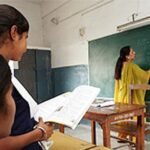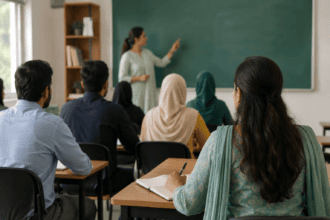
The Khyber Pakhtunkhwa government has launched a virtual education initiative for students in the tribal districts, aiming to improve access to quality education in areas where students may face limited access to qualified teachers and educational resources.
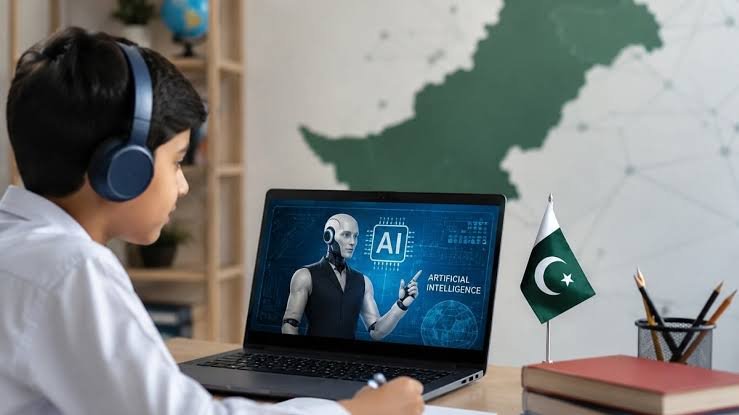
Under the initiative, students in Khyber district will be able to attend online classes through the Global Virtual School Hub in Peshawar, where qualified teachers will conduct lessons remotely.
Online Classes to Expand Education Access
The virtual classes are intended to provide students in remote areas with access to teachers and learning opportunities that may not always be available locally.
Through digital connectivity, students can participate in lessons without needing to travel long distances to access specialised teaching resources. The initiative is expected to support students living in areas where educational facilities and teaching staff remain limited.
Global Virtual School Hub to Support Students
The Global Virtual School Hub in Peshawar will play a central role in delivering online lessons to students. Qualified teachers will conduct classes through the virtual platform, allowing students in the targeted districts to connect with instructors remotely.
The programme represents an effort to use technology to overcome geographical barriers in education and extend learning opportunities to underserved communities.
Technology-Based Education in Remote Areas
Digital education has become an increasingly important tool for improving access to learning, particularly in remote and difficult-to-reach areas.
Virtual classrooms can allow students to continue their studies even when access to experienced teachers or specialised subjects is limited. They can also provide educational institutions with additional teaching resources without requiring every teacher to be physically present in each location.
A Step Toward Better Educational Opportunities
The initiative is expected to contribute to improving educational opportunities for students in the tribal districts. By connecting learners with qualified teachers through online classes, authorities aim to reduce some of the educational disparities between remote areas and larger urban centres.
However, the success of virtual education will also depend on reliable internet connectivity, access to suitable devices and proper support for students and teachers.
The Bottom Line
KP’s launch of virtual classes in tribal districts marks another step toward expanding technology-based education in remote communities. The programme will initially connect students in Khyber with qualified teachers through the Global Virtual School Hub in Peshawar, potentially giving learners greater access to quality instruction without the limitations of geographical distance.