
Despite the increasing intensity and cost of natural disasters, global deaths from extreme weather have fallen to historic lows in 2025, according to a midyear report by risk consultancy Aon.
From January to June 2025, about 2,200 people worldwide lost their lives due to storms, floods, heat waves, and other weather-related disasters the lowest toll for the first half of any year since reliable records began. This figure is dramatically lower than the 21st-century average of 37,250 for the same period. Excluding a deadly March earthquake in Myanmar that killed about 5,500 people, natural weather hazards caused fewer deaths than ever recorded.
Experts credit this decline to improved early warning systems, stronger infrastructure, and global investments in disaster preparedness, even as climate change has made weather events more frequent and severe. For instance, Los Angeles wildfires this year caused an estimated $131 billion in damages but claimed only 30 lives a stark contrast to past centuries when such disasters killed thousands.
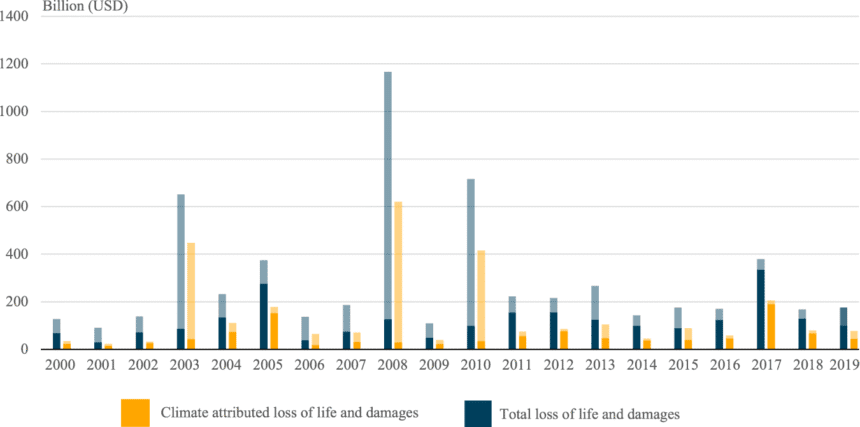
However, the financial impact continues to rise. The same Aon report estimated $162 billion in economic losses from disasters in the first half of 2025, $20 billion above the century’s average. This is largely because wealthier societies now own more valuable property in high-risk zones.
History shows the shift clearly: from China’s 1931 Yangtze floods that killed millions, to Bangladesh’s 1970 cyclone that left half a million dead, to modern disasters where advanced preparedness has saved countless lives. Today, even developing nations like Mozambique, Bangladesh, and India have implemented systems such as cyclone shelters and heat action plans to protect communities.
Still, experts warn that while lives are being saved, livelihoods remain vulnerable. A recent UN report estimates disasters cost the world over $2.3 trillion annually, stressing the need for proactive investment in disaster risk reduction. According to the UN, every dollar spent on preparedness can prevent at least four dollars in losses.
As climate change continues to fuel extreme weather, humanity faces ongoing challenges. Yet, the steady decline in disaster-related deaths marks a major success in global resilience showing that while property may be destroyed, human lives are increasingly being spared.