

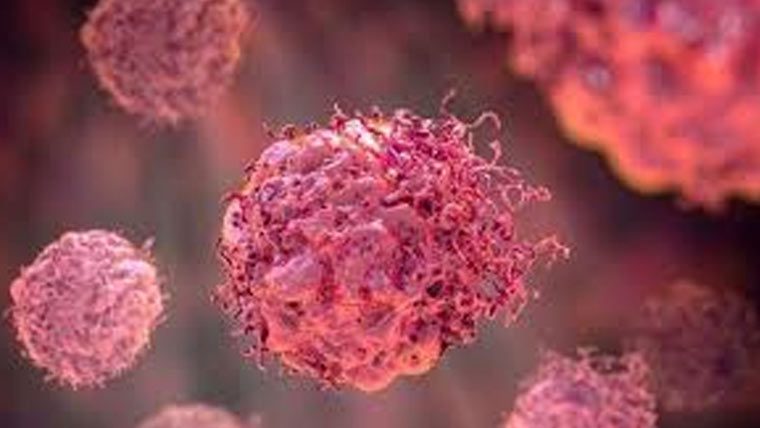
Researchers at Oregon State University have developed a new nanomaterial designed to destroy cancer cells from within.
When this material enters a tumor cell, it triggers two separate chemical reactions, resulting in severe oxidative stress within the cell while leaving surrounding healthy tissue unharmed.
The discovery further strengthens the emerging field of chemodynamic therapy (CDT). This new cancer treatment strategy takes advantage of the unique chemical environment inside tumors. Compared to normal tissues, cancer cells are more acidic and contain higher levels of hydrogen peroxide.
Conventional CDT uses these conditions to generate hydroxyl radicals. These are highly reactive molecules composed of oxygen and hydrogen and contain an unpaired electron. These reactive oxygen species damage cells through oxidation, meaning they strip electrons from essential components such as lipids, proteins, and DNA.
Advanced CDT approaches have also succeeded in generating singlet oxygen within tumors. Singlet oxygen is another reactive oxygen species, named for its unique electron spin state, which differs from the three spin states of stable oxygen molecules present in the atmosphere.
According to lead researcher Oulie Teratolake, current CDT agents have limited capability, as they can effectively produce either hydroxyl radicals or singlet oxygen but not both simultaneously. Moreover, they lack sufficient catalytic activity to sustain a strong and continuous production of reactive oxygen species. As a result, early studies often show only partial tumor shrinkage and fail to achieve long term therapeutic benefits.
To overcome these limitations, the team developed a new CDT nano agent made from an iron based metal organic framework. This structure is capable of producing both hydroxyl radicals and singlet oxygen at the same time, significantly enhancing its cancer fighting ability.
The MOF demonstrated strong toxic effects in various cancer cell lines while causing minimal damage to non cancerous cells.