

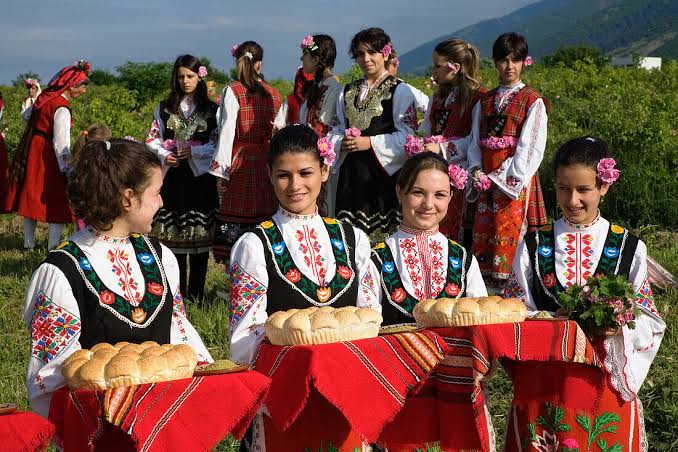
A growing demographic imbalance across the Baltic region has begun to fundamentally reshape the traditional structure of marriage and partnership in Europe. Countries including Latvia, Lithuania, and Estonia are facing a sharp population disparity, where the number of women has significantly surpassed the male population—directly triggering social and marital complications.
Recent demographic data shows that in Latvia, there are approximately 118 women for every 100 men, while similar ratios persist in neighboring Baltic states. As a result, a large number of women reaching marriage age remain without potential partners, despite years of waiting. This demographic pressure has given rise to debates around unconventional relationship models, including shared partnerships and poly-relationships.
Social media trends and local commentary have sensationalized the situation by tagging it with headlines such as “husband rental culture” and “partner sharing,” turning a serious demographic concern into a viral narrative. Experts, however, clarify that no legal framework or official policy exists allowing such arrangements; the concept remains largely speculative and exaggerated for online traction.
Demographers warn that the ongoing male shortage not only threatens marriage dynamics but could also impact birth rates and population sustainability across the region. Several social advocacy groups have urged governments to develop long-term strategies addressing immigration, family incentives, and population balance.
According to analysts, if this gender imbalance continues, Europe may witness a dramatic shift in established marital norms, ethical boundaries, and the traditional family system in the coming years—transforming a demographic challenge into a social turning point.