
According to the latest report released by the World Health Organization on Thursday, a total of 502,264 chikungunya cases have been reported worldwide up to December 10.
The WHO said the global risk of chikungunya infection is moderate due to large scale outbreaks reported in several regions during the 2025 season, including areas where the disease was previously rare or absent.
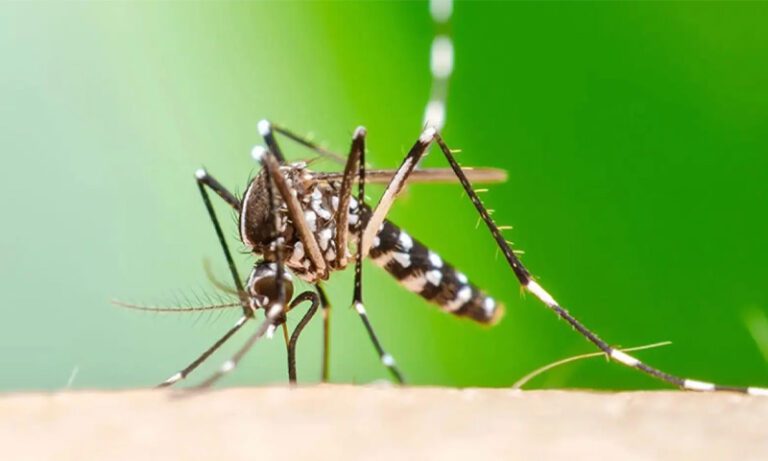
The report stated that the emergence and re emergence of cases in new geographical areas is linked to the presence of competent Aedes mosquitoes, limited population immunity, favorable environmental conditions, and increased human mobility.
Chikungunya is mostly found in tropical and subtropical regions. Common symptoms include sudden fever, severe joint and muscle pain, headache, and rash. In some individuals, joint pain can persist for months or even years, increasing the risk of long term disability.
According to the report, out of the 502,264 cases reported globally this year so far:
208,335 were confirmed cases
209,929 were suspected cases
These cases were reported from 41 countries and territories, with 186 deaths recorded worldwide.
A regional breakdown of cases and deaths is as follows:
Americas: 291,451 cases, 141 deaths
South East Asia: 115,985 cases, 0 deaths
Europe: 56,986 cases, 43 deaths
Western Pacific: 34,035 cases, 2 deaths
Africa: 2,211 cases, 0 deaths
Middle East: 1,596 cases, 0 deaths
In the Americas, Brazil accounted for 243,915 cases and 116 deaths, representing 84 percent of total cases and 82 percent of deaths in the region.
The WHO further clarified that although the overall mortality rate of chikungunya is lower compared to other arboviruses, severe illness and complications can occur, particularly among newborns, young children, pregnant women, elderly individuals, and people already suffering from diabetes, high blood pressure, or heart diseases.