

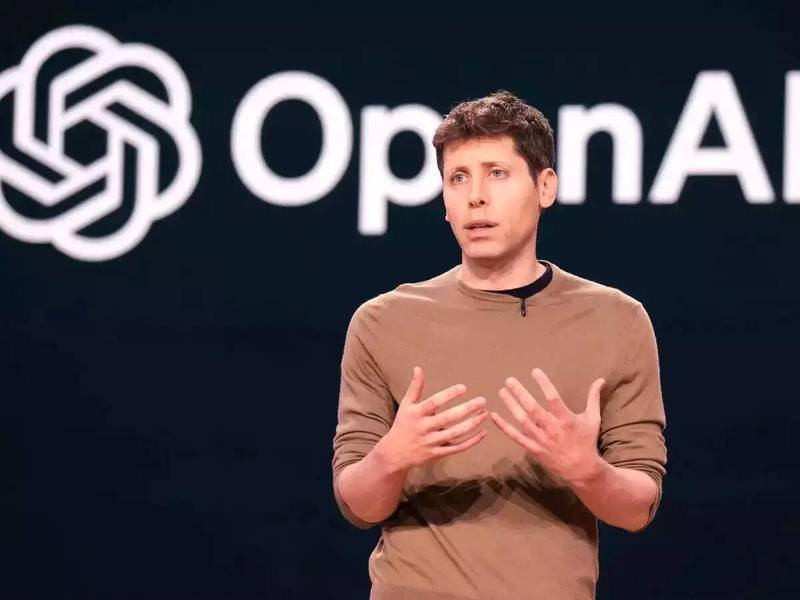
“AI can free up time for the human work of teaching.” (Leah Belsky)
In a bold move to reshape digital learning, OpenAI has launched Study Mode in ChatGPT a new feature designed not to hand out quick answers but to actively help students learn. This development marks the latest step in the growing AI rivalry between OpenAI and Google, with both tech giants aiming to dominate the future of education.
For years, ChatGPT faced criticism as a shortcut for students seeking ready made essays and homework solutions. Study Mode seeks to change that narrative by introducing purposeful friction into the process encouraging reflection, asking clarifying questions, and tailoring explanations to each learner’s level. OpenAI says this approach mimics the role of a patient tutor, promoting deeper understanding instead of rote memorization.
Leah Belsky, OpenAI’s Vice President of Education, explained:
“For students, AI holds the most powerful potential of all the ability to serve as a personal tutor that never gets tired of their questions.”
The feature relies on Socratic questioning, personalized feedback, and knowledge checks, created with input from more than 40 teachers, pedagogy experts, and learning scientists. Unlike traditional ChatGPT responses, Study Mode gently resists when a student asks for a direct answer, nudging them back into the learning flow with prompts and suggestions.
This strategic pivot highlights OpenAI’s plan to secure the loyalty of younger users a tactic Google successfully employed years ago by offering free productivity tools like Docs and Sheets to schools. As these students matured, they carried Google’s ecosystem into workplaces worldwide.
Meanwhile, Google is pushing forward with Gemini for Education, which provides AI generated quizzes, lesson plans, and study resources. Khan Academy is also in the mix with Khanmingo, its AI assistant powered by OpenAI technology.
With OpenAI’s Study Mode now rolling out to ChatGPT Free, Plus, Pro, and Team plans and soon to ChatGPT Edu the education sector has officially become the new front line in the AI arms race, where the prize is not just innovation, but the minds of the next generation.