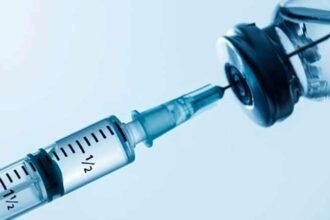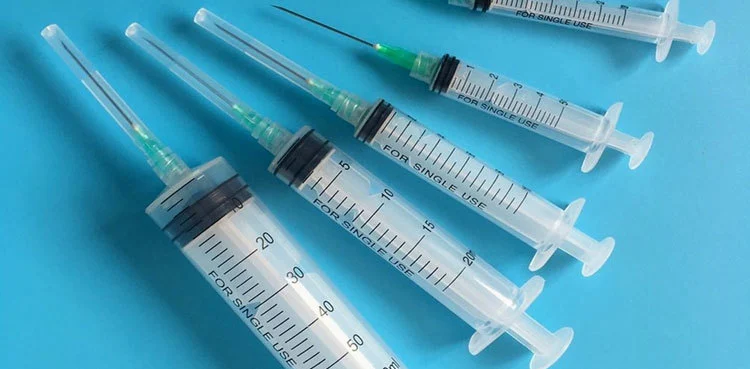
Pakistan is moving to phase out the use of reusable and glass syringes, citing the alarming rise in blood-borne diseases such as HIV and Hepatitis C. The Ministry of National Health Services has finalized plans to mandate the use of auto-disable (AD) syringes across all public and private healthcare facilities.
The decision stems from years of data linking the reuse of syringes to infection outbreaks. In districts like Larkana, where HIV transmission rates surged in recent years, health investigators repeatedly pointed to the circulation of recycled medical equipment in informal clinics.
“The cost of a single-use syringe is pennies compared to the lifelong burden of treating a chronic infection,” said a senior official from the Drug Regulatory Authority of Pakistan (DRAP). “We are done with half-measures. If a facility is caught using a non-disposable or manually sterilized syringe, they will face immediate closure.”
The mandate faces a significant hurdle: the manufacturing gap. Currently, domestic production of auto-disable syringes—which lock or snap after a single injection—is insufficient to meet the national demand of over a billion injections administered annually.
For many rural clinics, the shift is an economic strain. Small-scale practitioners have historically relied on cheaper, sterilizable glass syringes to keep operating costs low. Government officials acknowledge this friction but maintain that the public health crisis has reached a tipping point.
The health ministry has begun coordinating with local manufacturers to ramp up production capacity. Meanwhile, provincial health departments have been instructed to conduct surprise inspections starting next month.
The strategy is clear: eliminate the tool that has fueled Pakistan’s infection crisis. Whether the supply chain can keep pace with this enforcement remains the primary challenge for the government’s timeline.