
October 27, 2025
Web desk
Pakistan’s government appears to be taking rare steps to curb decades of abuse tied to its harsh blasphemy laws, announcing procedural reforms to prevent false accusations while cracking down on extremist groups accused of fueling violence. Federal Law Minister Azam Nazeer Tarar said on October 16 that new safeguards would ensure fair investigations and protect minorities from the weaponization of blasphemy allegations long used to persecute Christians, Hindus, and Ahmadis or settle personal disputes.
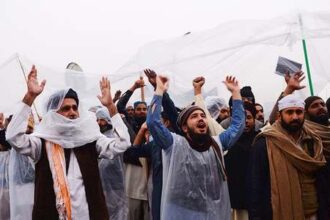
The announcement came days before the federal cabinet banned the hardline group Tehreek-i-Labbaik Pakistan (TLP) under the Anti-Terrorism Act after deadly protests erupted nationwide. Founded in 2015, TLP gained notoriety for glorifying Mumtaz Qadri, who assassinated Punjab Governor Salmaan Taseer in 2011 for defending Aasia Bibi, a Christian woman falsely accused of blasphemy. The group has since been linked to repeated attacks on minority communities, including church burnings and lynchings in Punjab.
Human Rights Watch and other groups have long warned that Pakistan’s blasphemy laws carrying the death penalty for insulting the Prophet Muhammad are routinely exploited for revenge or land grabs. A recent HRW report, “A Conspiracy to Grab the Land,” found that police often fail to protect the accused, while mobs act with impunity. Christian lawmaker Ejaz Alam Augustine called the misuse of these laws “one of Pakistan’s most painful realities,” urging reforms to stop their exploitation for personal or sectarian gain.
Analysts say the government’s twin actions tightening blasphemy procedures and banning TLP mark an attempt to reclaim space from extremists who have long dictated Pakistan’s religious narrative. Whether the effort leads to real change remains uncertain, but for minorities living under constant threat, even the hint of reform offers a fragile sense of hope.