BISHKEK: Pakistan has called for a coordinated regional response to increasingly complex security challenges, including terrorism, cybercrime, and transnational organized crime, during a meeting of interior ministers of the Shanghai Cooperation Organization (SCO).
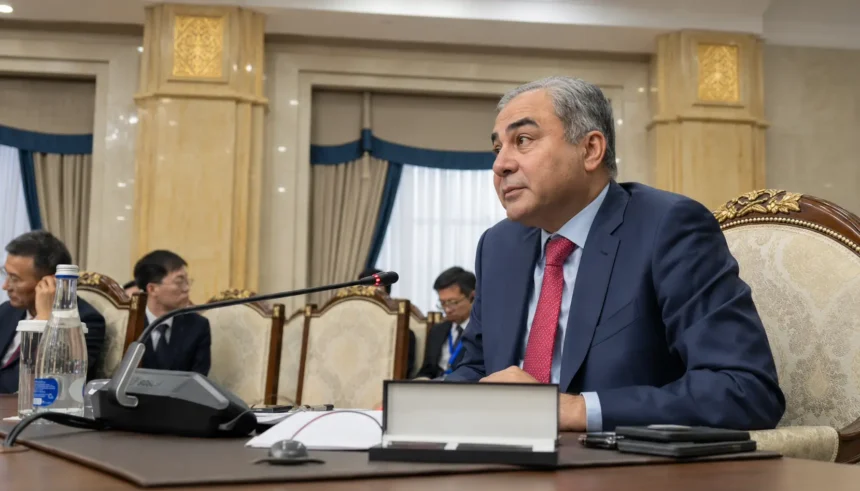
Speaking at the high-level gathering, Interior Minister Mohsin Naqvi stressed the need for closer cooperation among SCO member states to address evolving security threats that transcend national borders. He said collective efforts, intelligence sharing, and stronger institutional collaboration were essential for maintaining peace and stability across the region.
Naqvi noted that the nature of security challenges has become more sophisticated in recent years, requiring member countries to adopt comprehensive and coordinated strategies. He emphasized that terrorism, extremism, cyber threats, and narcotics trafficking continue to pose serious risks to regional security and development.
Highlighting Pakistan’s counterterrorism efforts, the minister said the country had made significant sacrifices in its fight against terrorism and remained committed to working with international partners to combat all forms of violent extremism. He urged SCO members to strengthen cooperation mechanisms and enhance information exchange to effectively tackle shared threats.
Participants at the meeting discussed a range of regional security issues, including border management, organized crime, drug trafficking, and emerging technological threats. The ministers also exchanged views on improving existing security frameworks and expanding practical cooperation among member states.
Reaffirming Pakistan’s commitment to the objectives of the Shanghai Cooperation Organization, Naqvi described the SCO as an important platform for promoting regional peace, stability, and mutual trust. He said Pakistan would continue to support collaborative initiatives aimed at addressing common challenges and advancing regional prosperity.
The meeting comes amid growing concerns over cross-border security threats and the increasing use of technology by criminal and extremist networks, prompting calls for greater coordination among countries in the region.