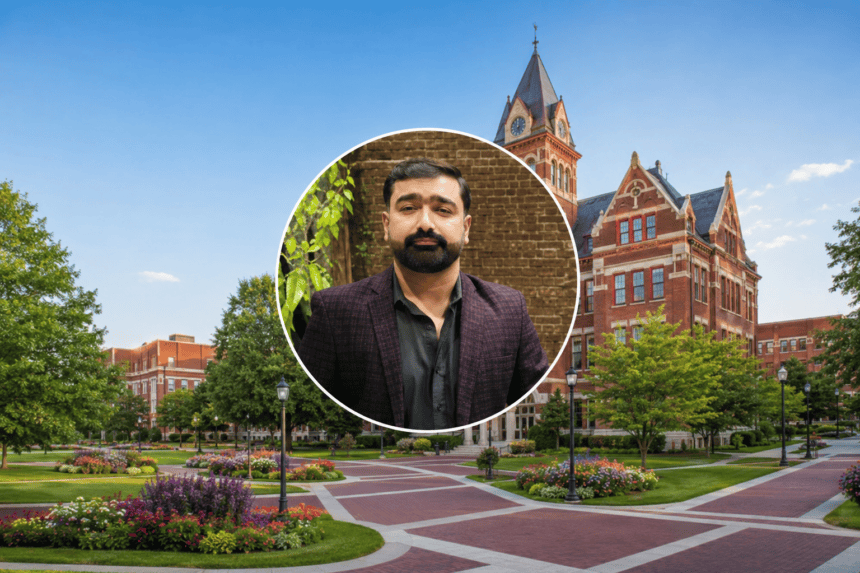
A Pakistani deaf student has achieved a significant academic milestone after securing a scholarship to study at a prestigious university in the United States.
The achievement has attracted attention because it highlights the academic potential of students with disabilities and demonstrates the importance of creating equal access to higher education.
Deaf and hard-of-hearing students can face numerous barriers throughout their educational journeys. These may include limited access to interpreters, inadequate captioning, inaccessible learning materials and communication challenges in traditional classrooms.
Despite these challenges, the student’s success demonstrates how academic achievement and determination can create opportunities on an international level.
A scholarship at a leading US university can provide access to advanced educational resources, research facilities, international networks and a diverse academic environment.
The accomplishment is also significant for Pakistan’s deaf and hard-of-hearing community. It can encourage other students with disabilities to pursue higher education and consider international scholarship programmes.
The achievement highlights the importance of inclusive education in Pakistan. Educational institutions can support students with disabilities by providing sign-language interpretation, captioning, assistive technologies, accessible online resources and trained support personnel.
Universities also play an important role in creating inclusive campus environments where students can participate fully in academic and extracurricular activities.
International scholarships can help talented students overcome financial barriers while providing access to educational systems with specialised accessibility services.
The student’s success therefore represents more than an individual academic accomplishment. It also sends a broader message about the importance of accessibility, inclusion and equal opportunity.
As more students with disabilities gain access to international educational opportunities, their achievements can help challenge stereotypes and demonstrate that disability should not be a barrier to academic excellence.