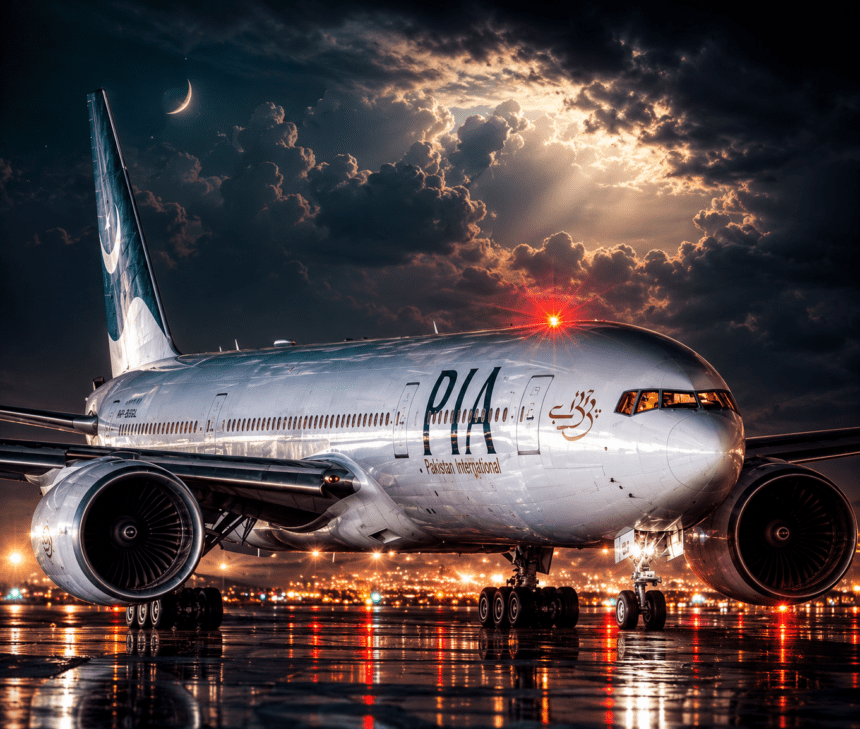
ISLAMABAD: Pakistan’s Privatisation Commission Board has approved the required measures to move ahead with the first closing of the privatisation transaction of Pakistan International Airlines Corporation Limited, marking another important step in the government’s long-running attempt to hand over the national flag carrier to private control.
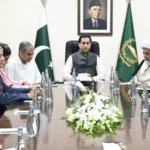
The approvals were granted at the board’s 252nd meeting, chaired by Muhammad Ali, Adviser to the Prime Minister on Privatisation. According to the Ministry of Privatisation’s statement, the board reviewed progress on the transaction and was briefed by the financial adviser on the fulfilment of conditions precedent under the Share Purchase and Subscription Agreement, including regulatory, financial and transactional requirements needed before the first closing can be completed.
The board, after reviewing the update, expressed satisfaction over the progress made so far and granted the necessary approvals to facilitate the materialisation of the first closing. In plain terms, this doesn’t mean the airline has fully changed hands yet — but it does show that the transaction has moved into a more advanced stage, where the government and buyer are working through the final pre-closing requirements.
The development comes months after a consortium led by Arif Habib Corporation emerged as the successful bidder for a 75 percent stake in PIA with an offer of Rs135 billion, higher than the government’s reference price of Rs100 billion. Reuters reported at the time that the bid was worth about $482 million and exceeded the auction’s minimum price, making it a major breakthrough after earlier attempts to privatise the airline struggled to attract acceptable offers.
PIA’s privatisation has been one of the government’s most closely watched economic reform measures. The airline has for years carried heavy financial losses, debt and operational challenges, turning it into a recurring burden on public finances. Islamabad has also been under pressure to push ahead with reforms of loss-making state-owned enterprises as part of its broader economic stabilisation programme, including commitments linked to the International Monetary Fund.
The current sale process followed a major restructuring exercise aimed at making the airline more attractive to investors. As part of that effort, the government moved a large portion of PIA’s legacy liabilities away from the airline’s operating business, while PIACL was legally separated under a Scheme of Arrangement approved in 2024. The Ministry of Privatisation earlier said shareholders and creditors had approved that scheme after the federal cabinet cleared the legal segregation and restructuring plan.
For the buyer, the transaction is expected to bring management control of the airline once the first closing is completed. For the government, it represents a politically sensitive but financially significant test case: whether Pakistan can successfully privatise a high-profile state asset after years of delays, public resistance and failed bidding rounds.
Officials have framed the deal as part of a wider reform push rather than a one-off sale. The Privatisation Commission says the process is being pursued in a transparent manner and in line with the government’s broader plan to reduce losses in state-owned entities. Still, the real test will begin after the first closing — when new management, employee protections, route planning, fleet investment and service quality all come under closer public scrutiny.
For ordinary passengers, the question is simpler: will PIA become more reliable, cleaner, punctual and commercially stronger? That answer won’t come from paperwork in Islamabad. It’ll come from airport counters, flight schedules and the airline’s ability to win back confidence at home and abroad.