
LAHORE: Province Punjab is reeling under an exceptionally intense monsoon season this year, with rainfall levels soaring 30 to 36 per cent higher than in previous years, according to figures released by the Meteorological Department and Punjab Disaster Management Authority (PDMA).
Meteorologists say the province has already crossed 1,000mm of rainfall and could touch 1,200mm before the season ends in mid-September. The unprecedented downpours began unusually early on June 25 almost three weeks ahead of the typical July 15 start date signaling a major shift in regional weather patterns.
Chakwal district witnessed a staggering 423mm of rain in just 24 hours between July 16 and 17, marking the highest daily total in Punjab this season. During the first half of July alone, rainfall in the province surged 73 per cent above normal levels. Both PDMA and the National Disaster Management Authority (NDMA) confirmed that the fourth spell of this year’s monsoon brought far more rain nationwide than seasonal averages.
Experts attribute the worsening conditions to climate change, with rising temperatures in the Arabian Sea and Indian Ocean fueling moisture-heavy winds. “Every monsoon downpour this year has been extremely strong, breaking records and the trend is likely to continue,” warned PDMA spokesperson Chaudhry Mazhar.
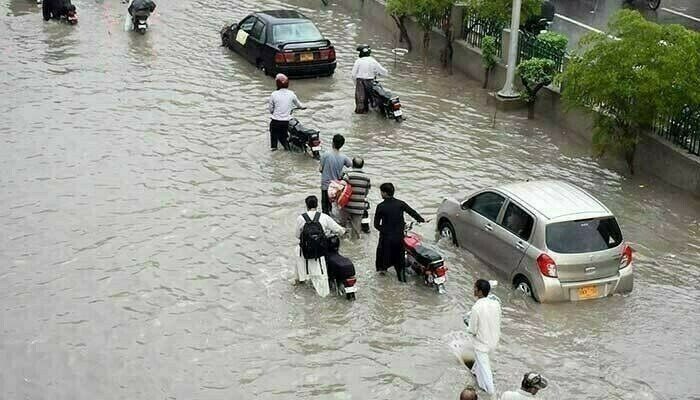
Climate scientist Dr Saadia Khalid explained that Punjab, historically less prone to such intense rain, is now facing abnormal weather due to disrupted monsoon patterns. She added that rampant urbanization, deforestation, and land-use changes have stripped cities of their natural ability to absorb water, resulting in frequent and prolonged urban flooding.
Despite early warnings from the Meteorological Department and PDMA, local administrations appeared unprepared for the scale of the downpours. Relief efforts are now being carried out as emergency measures, treating the situation as a natural disaster.
Experts warn that without immediate policy action to reduce carbon emissions, improve land management, and strengthen climate resilience, Punjab’s extreme weather patterns including heavier rainfall and devastating floods could become the new normal.
As one vendor in Lahore was seen pushing his cart through knee-deep floodwaters, the image underscored the reality: Punjab is at the frontline of climate change, with its people paying the price for a rapidly shifting climate.