
Israeli Prime Minister Benjamin Netanyahu announced that the Rafah border crossing between Gaza and Egypt will remain closed until further notice. He said it will only reopen once Hamas hands over the remaining bodies of Israeli hostages.
This announcement came shortly after the Palestinian embassy in Egypt said the crossing would reopen on Monday for people entering Gaza, raising hopes for stranded civilians and aid workers.
Hamas strongly condemned Netanyahu’s decision, calling it a “clear violation” of the ceasefire agreement and a breach of commitments made to international mediators. The group warned that keeping the crossing shut would delay the search and recovery of more bodies buried under rubble and therefore slow down their handover.
Ceasefire Under Strain
The Rafah crossing, Gaza’s main exit and entry point, has been mostly closed since May 2024..The current ceasefire, mediated by the U.S., includes an agreement for Israel and Hamas to exchange hostages and bodies. Hamas said it would hand over two more bodies on Saturday, bringing the total to 12 out of 28 promised.
All 20 living Israeli hostages held by Hamas have already been released in exchange for nearly 2,000 Palestinian detainees and prisoners.Israel, however, accuses Hamas of moving too slowly in returning the bodies of deceased hostages. Hamas says much of Gaza lies in ruins, making it difficult to locate remains quickly.
Body Exchange Terms
Under the deal:
Exchange Agreement Details
Living Hostages 20 Israelis freed by Hamas
Palestinian Detainees Released Around 2,000 from Israeli prisons
Bodies Exchange Ratio 360 Palestinian bodies for 28 Israeli bodies
Bodies Delivered So Far 15 Palestinian bodies returned per 1 Israeli body
Humanitarian Concerns
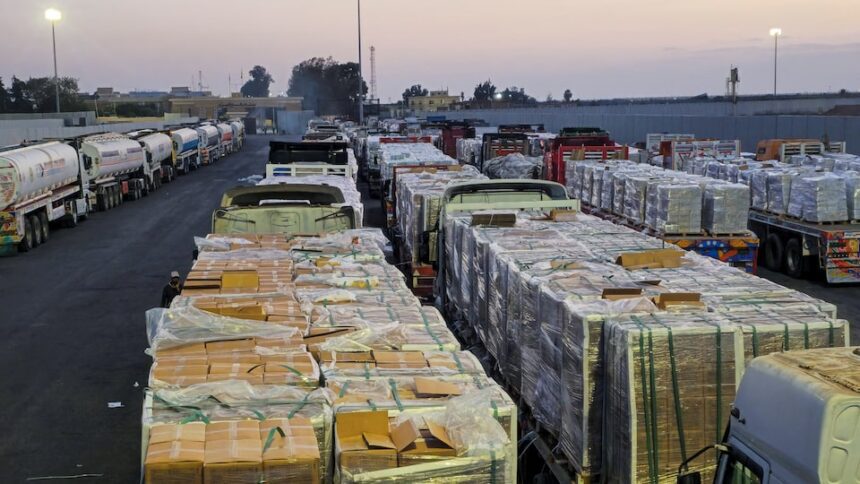
Aid agencies warn that the closure of Rafah will block essential medical supplies, fuel, and equipment needed to search for bodies and assist civilians.
Since the truce, about 560 metric tons of food have entered Gaza daily far below what is needed.In August, global hunger monitors reported widespread famine risk in the enclave.
Aid supplies were completely cut off for 11 weeks earlier this year before gradually resuming.
Broader Peace Plan Still Uncertain
This dispute highlights the fragile nature of the ceasefire and threatens progress on U.S. President Donald Trump’s 20-point peace plan. Key unresolved issues include:
Whether Hamas will disarm…Who will govern Gaza after the war…The role of an international “stabilization force”Future steps toward creating a Palestinian state
The fate of the Rafah crossing has become a symbol of the wider conflict’s uncertainty. For many Gazans, it is a lifeline to the outside world. But for now, political disagreements, broken trust, and the painful exchange of lives and bodies continue to overshadow hopes for lasting peace.