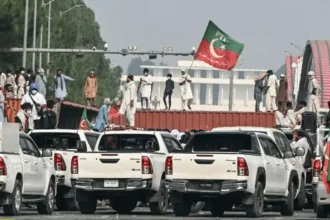

RAWALPINDI: A citywide protest has erupted in Rawalpindi after the Rawalpindi Waste Management Company (RWMC) began issuing new garbage tax bills ranging from Rs500 to Rs5,000 to residents and traders. The move, which took effect on October 13, has triggered anger, confrontations, and growing calls for the tax’s withdrawal.
According to RWMC officials, the garbage tax implemented from September 1, 2025 aims to ensure sustainable funding for citywide waste management. However, citizens and traders have rejected the bills, calling the move “unjustified and exploitative” given the city’s poor sanitation conditions.
In commercial areas, shops have received monthly bills between Rs1,100 and Rs2,000, leading to outrage. Many traders have reportedly sent copies of the bills to local PML-N leaders via WhatsApp, demanding explanations and refusing to pay until visible improvements in cleanliness are made.
The Anjuman Tajiran Sabzi Mandi President, Ghulam Qadir Mir, said traders already pay sanitation charges to WASA and local cleaners who collect Rs200 per month from each shop or home.
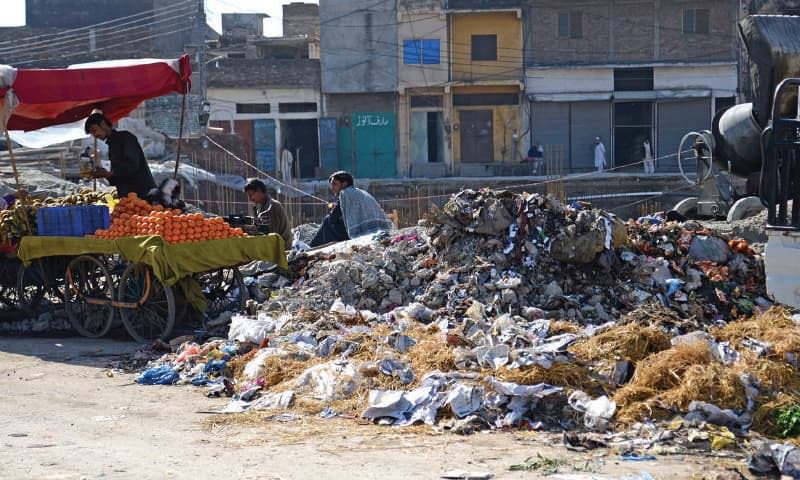
“We will not pay another Rs1,100 to Rs2,000 for garbage tax when the city itself looks like a garbage dump,” he said.
Similarly, Citizen Action Committee Chairman Malik Zaheer Awan condemned the tax, saying residents had been protesting poor waste collection for months with no response from the authorities.
“Now this garbage tax bomb has been dropped on citizens and traders. It’s nothing but extortion, and we will resist it,” he declared.
RWMC officials defended the tax, stating it would help fund garbage disposal, recycling, new machinery, staff salaries, and landfill maintenance. They added that over 100,000 jobs have been created and modern equipment worth billions procured under the waste management initiative.
Despite these assurances, protests are intensifying. Traders and residents plan to stage sit-ins outside the RWMC, Commissioner’s Office, and Deputy Commissioner’s Office. They have been given a payment deadline of October 15, after which fines and legal actions will start on October 20 for defaulters.
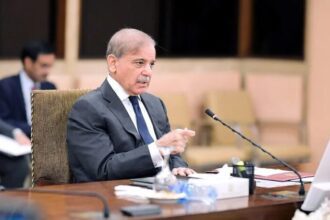
Meanwhile, MNA Engineer Qamar Islam, who also heads the District Coordination Development Committee, defended the decision, calling it a step toward Chief Minister Maryam Nawaz’s vision for a cleaner and internationally competitive sanitation system.
“The tax is affordable and essential to ensure all waste is lifted daily, creating a healthier environment,” he said.
However, frustrated residents insist the city’s overflowing containers, unattended dumps, and foul odours prove that the sanitation system remains broken raising the question: should citizens pay more when they still live amid waste?