Religious education organisations and madrassa boards in Pakistan have agreed to promote modern sciences, technology and contemporary subjects alongside Islamic studies in religious seminaries.
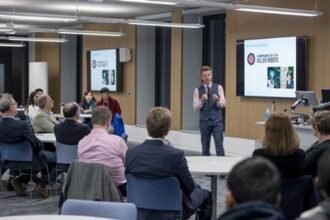
The decision was taken during an important meeting of the United Madrasa Council Pakistan, attended by representatives of various religious organisations and educational boards from across the country.
Participants discussed educational, administrative and social challenges facing religious seminaries and explored ways to modernise their education systems in line with current needs.
Modern Sciences to Become Part of Madrassa Education
Participants emphasised that students should receive education in modern sciences, technology and practical skills alongside the Quran, Sunnah and other Islamic subjects.
They said religious seminaries should preserve their traditional identity and religious values while adapting to the educational requirements of the modern world.
Special Focus on Female Education
The meeting also discussed improving educational opportunities for female students in religious seminaries.
Participants stressed the need for quality educational facilities, better training environments and greater access to contemporary subjects for women.
They highlighted that female education plays an important role in the development of families and society.
Coordination Among Madrassa Boards
The participants agreed to strengthen cooperation and coordination among different madrassa boards and religious organisations.
Discussions also covered examination systems, educational certificates, registration and administrative matters to improve academic standards and create better educational and professional opportunities for students.
Government Initiatives Appreciated
The meeting participants appreciated the efforts of Prime Minister Shehbaz Sharif, Chief of Army Staff and Chief of Defence Forces Field Marshal Syed Asim Munir, and Punjab Chief Minister Maryam Nawaz Sharif regarding madrassa registration, access to banking facilities and resolving administrative challenges.
The participants expressed their commitment to promoting quality education, modern sciences, female education and religious harmony through joint efforts.