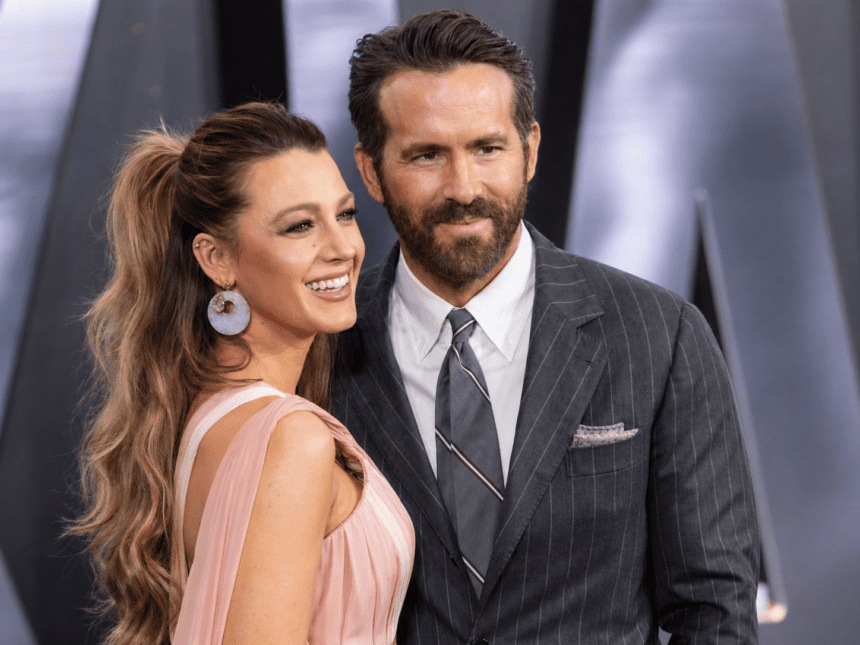
Ryan Reynolds has publicly thrown his weight behind Blake Lively as her long-running legal battle tied to It Ends With Us moves closer to trial, offering one of his clearest comments yet on the dispute. In a recent interview, Reynolds said he had “never been more proud” of Lively and praised what he called her “level of integrity,” a remark that quickly became the headline moment from an otherwise restrained public stance.
The case has been dragging on for months and has become one of the more closely watched celebrity court fights in Hollywood. It began in late 2024, when Lively accused her It Ends With Us co-star and director Justin Baldoni of sexual harassment and of helping drive a retaliatory smear campaign against her. Baldoni denied the allegations and later filed a $400 million countersuit against Lively and Reynolds, though that countersuit was dismissed in 2025, according to recent coverage.
What’s changed lately is the shape of the case heading into court. Recent reports say a judge dismissed 10 of Lively’s 13 claims, but parts of the dispute are still alive and set to be tested at trial, now scheduled to begin on May 18, 2026 in New York. Pretrial arguments are still unfolding, including fights over what evidence jurors may actually hear.
That’s what makes Reynolds’ comment notable. He hasn’t exactly been doing a media blitz about the case, so even a short show of support carried some weight. The message was simple enough: whatever is happening in court, he wants it known that he is standing with his wife. In celebrity legal battles, those public signals matter, sometimes almost as much as the filings themselves. The coverage around his remarks has framed them as both personal support and a reminder that the couple is trying to project unity as the courtroom phase gets closer.
The legal fight itself is still messy. One recent dispute centers on whether allegations involving Baldoni’s alleged comments about Lively’s weight should be allowed before a jury. Lively’s team argues those details help explain the broader retaliation claims; the opposing side says they are prejudicial and irrelevant. That kind of evidentiary fight is pretty normal before a trial, but in a case this public, every hearing becomes part of the larger media narrative.
For now, Reynolds’ remarks do not change the legal stakes. They do, though, add a personal layer to a case that has already spilled far beyond court documents and into the entertainment press. With trial approaching, the dispute is no longer just about what happened on a film set. It’s also about reputation, leverage, and which version of events will ultimately hold up under scrutiny in court. That last point is an inference based on the ongoing pretrial coverage and the issues still being contested.