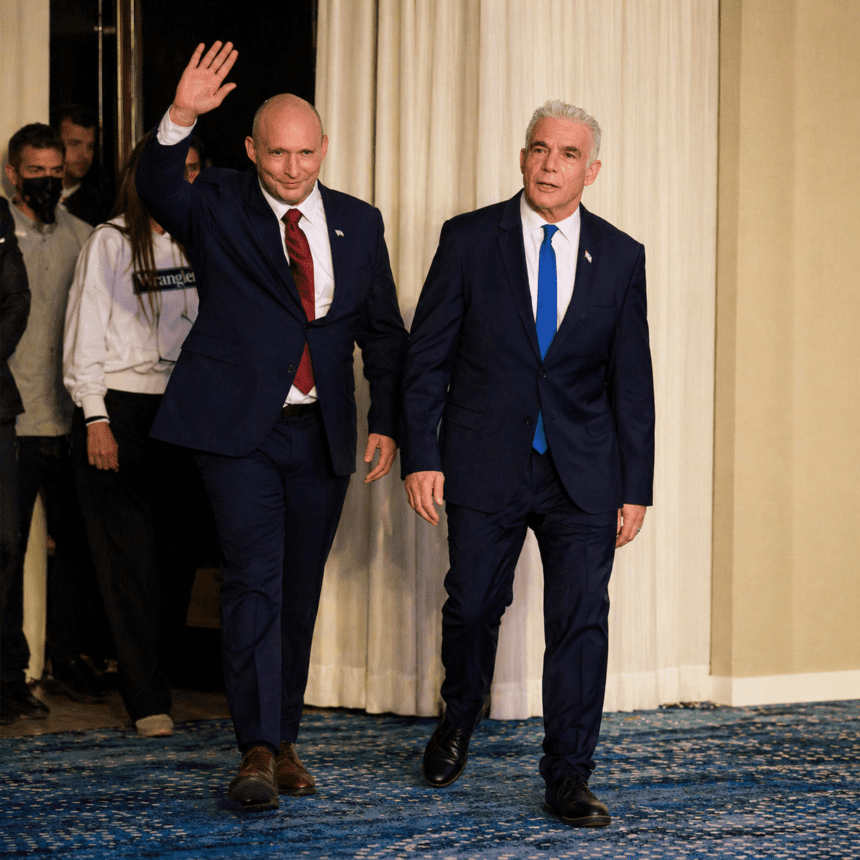
In a move that could shake up Israel’s next national election, former prime ministers Naftali Bennett and Yair Lapid said on Sunday, April 26, 2026 that they will run together against Prime Minister Benjamin Netanyahu, merging their political forces into a new alliance led by Bennett. The announcement puts two of Netanyahu’s better-known rivals on the same ticket and gives Israel’s fractured opposition a clearer focal point heading into a vote scheduled for October 27, 2026, unless the government falls earlier.
The alliance matters because Bennett and Lapid are not natural political twins. Bennett comes from the nationalist right and has long appealed to religious and conservative voters, while Lapid has positioned himself as a centrist, secular figure. Still, the two have worked together before. In 2021, they built the coalition that ended Netanyahu’s then-12-year run in office, with Bennett serving first as prime minister under a rotation deal and Lapid later taking over. Their message now is blunt: whatever their differences, they believe the opposition has a better shot only if it stops running in pieces.
At the launch, the new bloc was presented as a partnership between the center and the right, with Bennett taking the lead because he has been seen as the stronger electoral draw in recent months. Lapid, for his part, called for wider unity across the anti-Netanyahu camp. The practical point here is hard to miss. Israeli opposition politics has been crowded, personal, and often self-defeating; this merger is an attempt to fix that before campaigning properly kicks into gear.
Bennett also tried to give the alliance a sharper edge by promising that, if elected, he would move immediately to establish a state inquiry into the October 7, 2023 Hamas-led attack on southern Israel. That issue still hangs over Israeli politics. The attack was the deadliest in the country’s history, and demands for a full accounting of the government’s failures have not gone away. For Netanyahu, that remains one of the most politically dangerous fronts he faces.
The timing is not accidental. Netanyahu is approaching the election season under visible pressure. Recent reporting points to public frustration over the handling and results of Israel’s wars with Hamas, Hezbollah and Iran, along with skepticism over his government’s claims of strategic success. AP reported that elections are now looming against a backdrop of disappointment, security fatigue and broader dissatisfaction, conditions that opposition figures hope to turn into a viable challenge.
That does not mean Netanyahu is finished. He remains the dominant figure on Israel’s right and one of the country’s most resilient politicians. But this new Bennett-Lapid pact gives the opposition something it has often lacked: a recognizable structure, a shared leadership arrangement and a simple campaign argument — that Netanyahu’s long era should end, and that only a more disciplined opposition can make that happen. Whether Israeli voters buy that is another question. But after months of speculation, the race now looks more real, and a lot more direct.