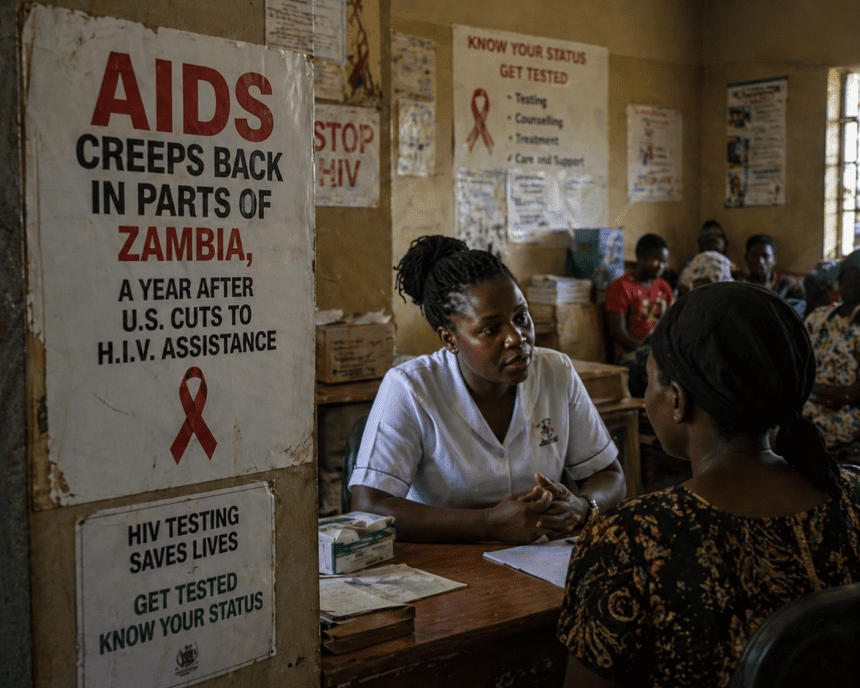
Health officials in Zambia are reporting a worrying resurgence of HIV/AIDS infections in several regions, roughly a year after reductions in U.S. funding for HIV assistance programs. Local health authorities and aid organizations say the rollback of support has disrupted testing, treatment, and prevention services, particularly in rural and high-risk communities.
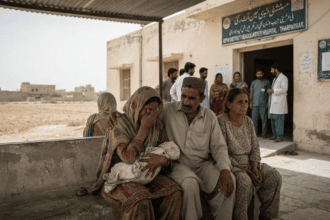
Clinics that once offered free or subsidized care have faced staff shortages, reduced outreach, and limited supplies of antiretroviral (ARV) drugs. Public health experts warn that the decline in funding has weakened progress made over the past decade in controlling the epidemic. Zambia, which has one of the highest HIV prevalence rates in sub-Saharan Africa, had previously seen steady improvements in treatment access and infection control. Community workers report an increase in untreated cases and reduced patient follow-ups, raising the risk of further transmission.
Prevention programs, including awareness campaigns and distribution of protective resources, have also been scaled back.
The U.S. has long been a major contributor to global HIV/AIDS efforts through initiatives such as the President’s Emergency Plan for AIDS Relief (PEPFAR). The recent funding cuts have had ripple effects across multiple countries reliant on external support.
Zambian officials are now exploring alternative funding sources and urging international partners to restore or increase support to prevent further setbacks in the fight against HIV/AIDS. Health advocates caution that without urgent intervention, the situation could reverse years of progress and lead to a broader public health crisis in the region.