

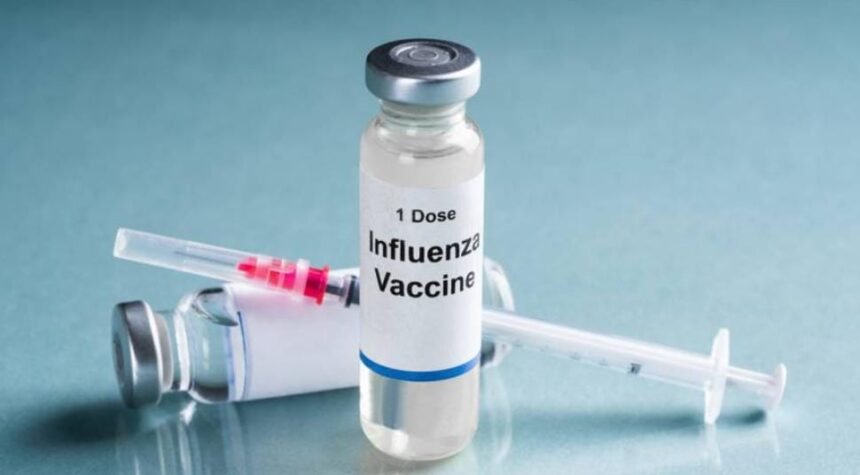
Health experts say this fall is the right time to get a flu shot, even if forecasts predict a moderate influenza season. They stress that influenza should never be underestimated, as it continues to cause hospitalizations and deaths every year.
David Cutler, MD, a family medicine physician at Providence Saint John’s Health Center, warned that “while most cases are mild, some are more severe leading to hospitalizations and tens of thousands of those affected die yearly from the flu.”
Monica Gandhi, MD, professor of medicine at the University of California San Francisco, added, “Pediatric hospitalizations for influenza last year were particularly high, so we encourage everyone to get the flu vaccine this year.”
Flu season outlook for 2025–2026
The severity of the upcoming flu season is difficult to predict. Preliminary data from the Centers For Disease Control And Prevention (CDC) shows that the 2024–2025 flu season caused between 47 million and 82 million illnesses in the United States, with as many as 1.3 million hospitalizations and up to 130,000 deaths.
William Schaffner, MD, infectious disease specialist at Vanderbilt University, expects this year’s season to be moderately severe. “It is unusual to experience two severe seasons in a row, especially as no new flu strains have appeared globally. Thus, likely we’ll have an average, moderately severe season,” he said.
Who should get a flu shot
CDC recommends nearly everyone aged 6 months and older should get a flu shot, with special priority for:
- Adults aged 65 and older
- Children under 2 years of age
- People with chronic conditions such as asthma or heart disease
- Individuals with weakened immune systems
- People with a BMI of 40 or higher
- Infants under 6 months and those with severe allergies to vaccine ingredients are the only groups advised against vaccination.
Best time to get vaccinated
Experts suggest getting the flu shot by the end of October for maximum protection. Immunity develops about two weeks after vaccination and may wane by about 10% per month, especially in older adults.
Cutler noted that “late October is probably the ideal time to receive the flu vaccine,” but emphasized it’s never too late — even a late-season vaccination can reduce risk.
Why flu vaccines matter
Influenza is a contagious viral infection that can cause coughing, fever, headaches, fatigue, and body aches. Severe cases can lead to hospitalization or death.
Flu vaccines reduce the risk of severe illness by 40% to 60% and protect vulnerable people around you. Experts stress that despite vaccine hesitancy, the benefits far outweigh the risks.
Gandhi expressed concern over declining childhood vaccination rates, pointing out that “90% of children who died from influenza last season were not fully vaccinated.”
Bottom line
Health authorities agree: make flu vaccination an annual routine. Regardless of season severity predictions, getting the flu shot helps protect you, your family, and your community from potentially severe illness.