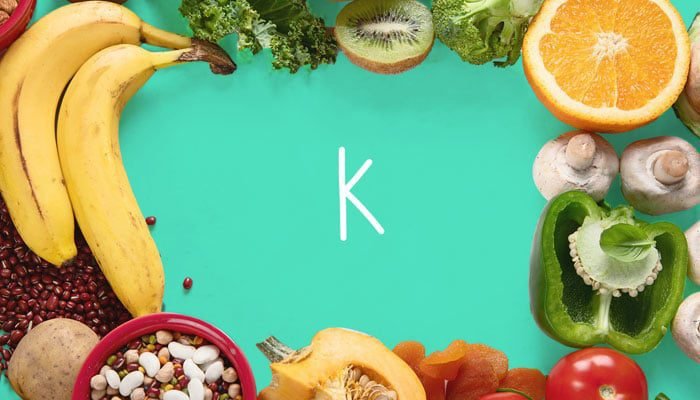
According to experts, millions of people are suffering from potassium deficiency, which helps reduce the risk of heart attacks and strokes, but many remain unaware of it.
Potassium plays a vital role in regulating nerve signals, muscle movement, and heartbeat. It also helps control blood pressure by reducing the effects of sodium in the body, thereby lowering the risk of heart disease and stroke.
According to British media, Professor John Young of Teesside University said that potassium deficiency is common and is largely caused by an unbalanced diet.
Symptoms of mild deficiency include cramping in the toes, constipation, irritability, and headaches, while severe deficiency may cause mental confusion, depression like mood, irregular heartbeat, stomach problems, and difficulty breathing.
According to the National Health Service and the World Health Organization, adults should consume 3,500 milligrams of potassium daily. However, according to the UK National Diet and Nutrition Survey, 10 percent of men and 24 percent of women are not meeting this requirement, while one third of young people are also suffering from this deficiency.
Experts said that relying only on bananas is not enough, as approximately 10 medium sized bananas would be required daily to meet the recommended intake. Better sources include potatoes containing around 600 milligrams of potassium, spinach, beans, yogurt, fruit juice, and tuna fish, which contain around 450 milligrams.
According to Professor Young, obtaining the required amount through diet alone can be difficult, therefore taking multivitamin supplements may be beneficial, provided they contain potassium.
For kidney patients, excessive potassium intake can be dangerous because the body may not be able to remove excess potassium, increasing the risk of irregular heartbeat and heart failure.
Experts advised that anyone experiencing chest pain or dizziness during light exercise such as climbing stairs should immediately consult a doctor. For most people, such symptoms indicate that their diet is not appropriate.
Last year, researchers in Denmark found that a diet rich in bananas, avocados, and spinach could reduce the risk of heart failure and death by nearly one quarter.