LAHORE: The Punjab government has imposed a province-wide ban on a range of activities it says could endanger public health, disrupt peace or create civic problems during Eidul Azha, placing restrictions on animal waste disposal, illegal cattle markets, public display of weapons and hide collection by proscribed groups.
The order, issued under Section 144, will remain in force from June 5 to June 11 across Punjab, according to reports citing the provincial Home Department. The move comes days before Eidul Azha, when millions of sacrificial animals are bought, transported and slaughtered across the province, often putting extra pressure on sanitation teams, traffic systems and law-enforcement agencies.
Under the restrictions, citizens have been barred from burning the heads and feet of sacrificial animals in public places, a practice that commonly draws complaints in urban neighbourhoods because of smoke, smell and leftover waste. The government has also banned dumping offal and entrails into manholes, drains, canals and other waterways, warning that such actions block sewerage lines and create unhygienic conditions.
The order also prohibits swimming, bathing and boating in rivers, lakes, dams, canals and ponds during the Eid holidays. Officials say the restriction is meant to prevent drowning incidents, which tend to rise when families travel to picnic points and water bodies during long public breaks. It’s a familiar concern in Punjab: every festive season brings warnings, and yet people still head toward canals and rivers in large numbers.
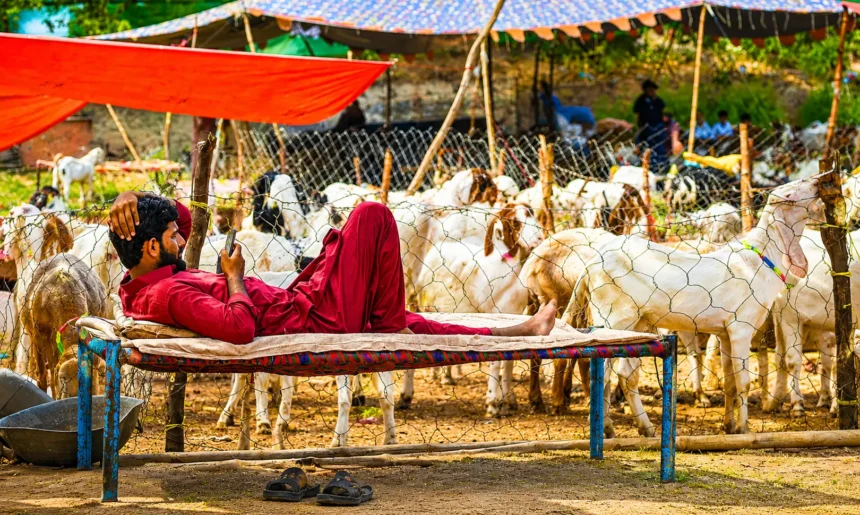
The sale and purchase of sacrificial animals has also been restricted to officially notified cattle markets. The Home Department said illegal sale points inside populated areas, on roadsides or near busy routes can choke traffic and increase the risk of disease transmission. In plain terms, the government doesn’t want makeshift animal markets spilling into streets at the last minute.
Security-related curbs are part of the order as well. The display of arms and ammunition has been banned during the period, while proscribed organisations will not be allowed to collect sacrificial animal hides. Only welfare bodies and charities registered with the Punjab Charity Commission may collect hides, a step authorities say is aimed at keeping the process transparent and preventing banned outfits from raising funds through Eid collections.
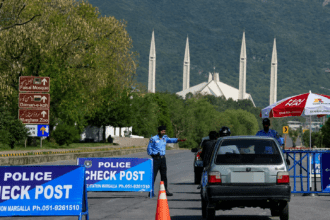
District administrations and law-enforcement agencies have been directed to enforce the ban strictly and take action against violators. That means police, local government staff and municipal teams are expected to remain active throughout the Eid period, especially around cattle markets, slaughter points, crowded roads and water channels.
The government’s reasoning is straightforward: Eidul Azha brings joy, but also a huge cleanup challenge. Animal remains dumped in the wrong place can clog drainage systems within hours. Illegal markets can turn already busy roads into gridlock. And unregulated hide collection has long been treated as both a charity issue and a security concern.
For citizens, the instructions are fairly simple: use designated cattle markets, dispose of animal waste through municipal arrangements, avoid public burning of animal parts, stay away from risky water spots, and donate hides only to registered organisations.
Officials are hoping the week-long restrictions will help keep the holiday safer and cleaner. Whether that works will depend, as it often does, on enforcement — and on how seriously the public takes the warning once Eid begins.