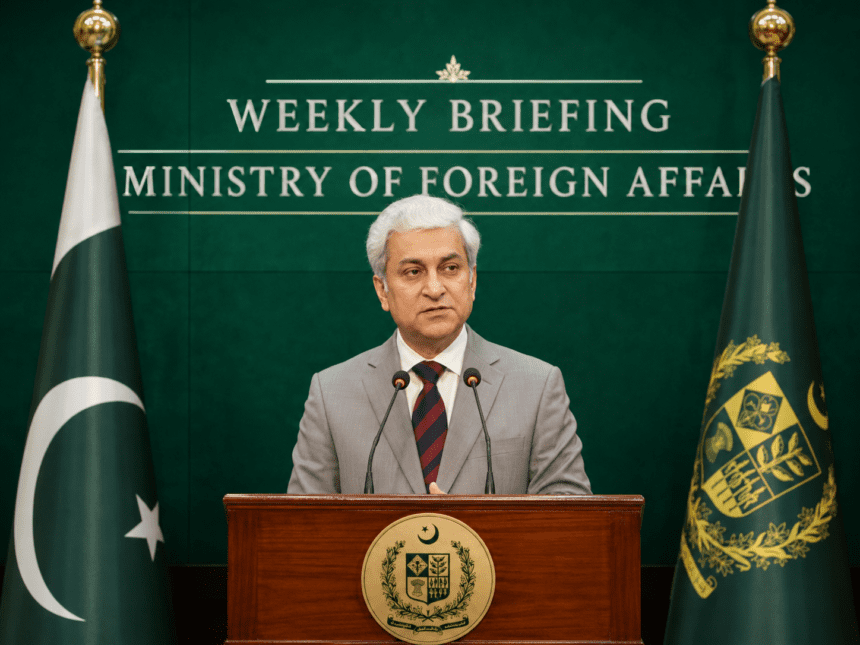
Pakistan said on Thursday, May 7, that it expects an agreement between the United States and Iran “sooner rather than later,” offering one of Islamabad’s clearest public signals yet that it believes the current diplomatic push may be nearing a breakthrough. Foreign Office spokesperson Tahir Andrabi said Pakistan remained optimistic and would welcome a settlement wherever it is reached.
He also left the door open to a possible Pakistani role in the next stage of the process. “If an agreement is reached in Pakistan, it would be an honour for us,” Andrabi said during the weekly briefing, while declining to discuss the shape of any draft understanding or give a firm timeline for when a deal might land.
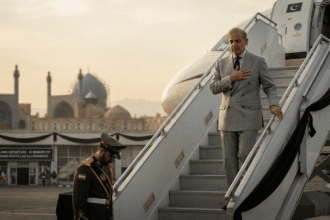
The remark matters because Pakistan has been trying to position itself as more than a bystander in the crisis. Prime Minister Shehbaz Sharif said Islamabad has been in “continuous contact” with both Tehran and Washington, working “day and night” to help stop the war and preserve the ceasefire. Pakistani officials have also publicly backed diplomacy over escalation, framing any eventual deal as important not just for the region, but for wider international stability.
The broader backdrop is grim. The current round of hostilities began on February 28, when the US and Israel launched strikes on Iran, according to AP. A fragile ceasefire has largely held since April 8, but talks hosted by Pakistan last month did not produce a final agreement. Still, officials in Islamabad appear convinced the diplomatic channel remains alive.
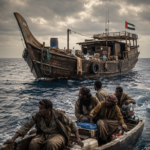
At the center of the urgency is the Strait of Hormuz. The waterway, one of the world’s most important energy chokepoints, has been severely disrupted during the conflict. AP reported that Iran has effectively shut the strait while the US has blockaded Iranian ports, leaving hundreds of merchant ships stuck and sending fuel prices sharply higher. On Thursday, Brent crude was hovering around $100 a barrel as markets watched for signs of a deal.
Iran, for its part, said it was reviewing the latest American proposal. But the exact contents remain disputed. NPR reported that the White House has not made the proposal public, while Iranian media dismissed some US press reports about a memorandum of understanding as speculation. That gap between optimism and opacity is pretty much where this story sits right now: movement, yes, but not yet clarity.
Pakistan’s public messaging has been careful. Andrabi avoided commenting on “specifics” or the movement of diplomatic messages, and he steered clear of discussing political pressures inside Washington. Even so, his wording was strikingly upbeat for a government that has mostly spoken in cautious diplomatic language over the past several weeks. The subtext is hard to miss: Islamabad wants to be seen as a credible facilitator, and it also wants the fighting next door to end before the economic and security fallout spreads further.
Whether that optimism proves justified should become clearer soon. For now, Pakistan is betting that the negotiations — however messy, however incomplete — are moving toward an agreement rather than away from one. And after months of war, disruption and mixed signals, even that counts as news.