Amid worsening smog, rising temperatures and increasing climate pressures, experts and policymakers have called for an urgent transition towards cleaner, affordable and sustainable energy sources to secure Pakistan’s economic and environmental future.
They warned that continued dependence on imported fossil fuels and costly conventional energy systems is placing a heavy burden on consumers, industries and the national economy, while also accelerating environmental degradation.
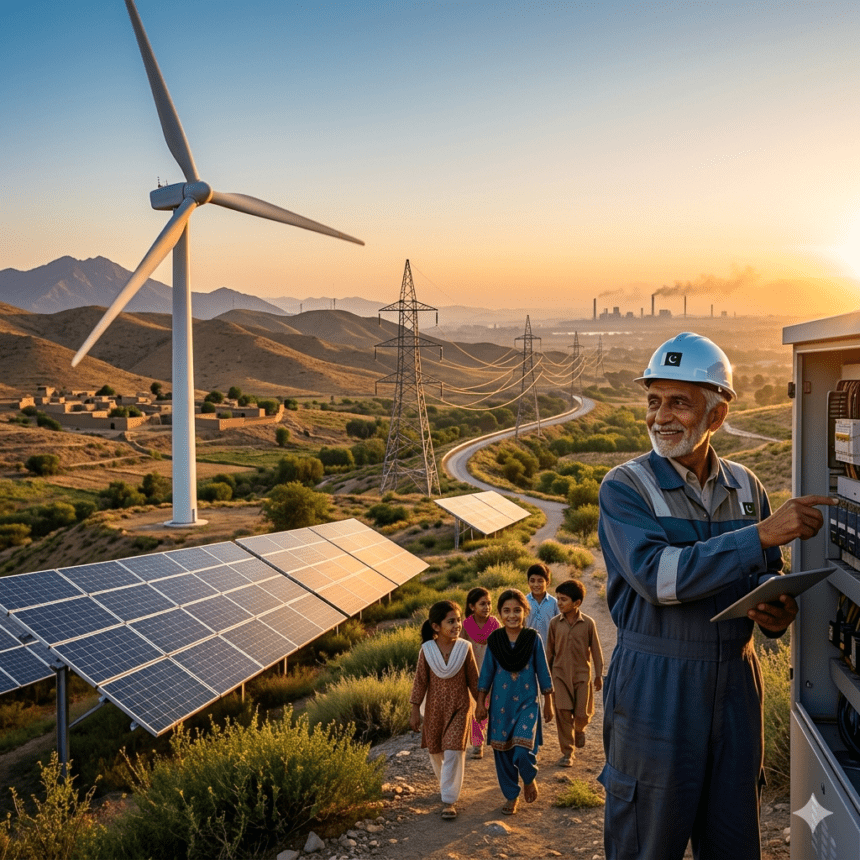
Speaking at a seminar on energy transition and climate resilience, experts highlighted Pakistan’s vast untapped renewable energy potential in solar, wind and hydropower, stressing that the country must move away from outdated energy models.
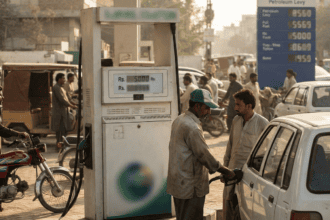
Participants said the ongoing energy crisis reflects long-standing policy gaps and a lack of long-term planning. High electricity and fuel costs have reduced industrial productivity, weakened exports, and widened trade and current account deficits.
Experts further noted that Pakistan is among the most climate-vulnerable countries despite contributing minimally to global emissions. Increasing smog, glacier melt, floods, and irregular rainfall patterns were cited as growing threats linked to climate change.
Renewable energy experts emphasized the concept of a “just transition,” ensuring that vulnerable communities are protected during the shift to clean energy. They stressed inclusive planning, policy reform, and international cooperation.
Officials also highlighted global trends showing a sharp decline in renewable energy costs, particularly solar and wind power, making clean energy more economically viable than ever.
Experts concluded that Pakistan must adopt low-carbon development pathways, improve regulatory frameworks, attract investment, and strengthen institutional capacity to ensure energy security, economic stability, and environmental protection.