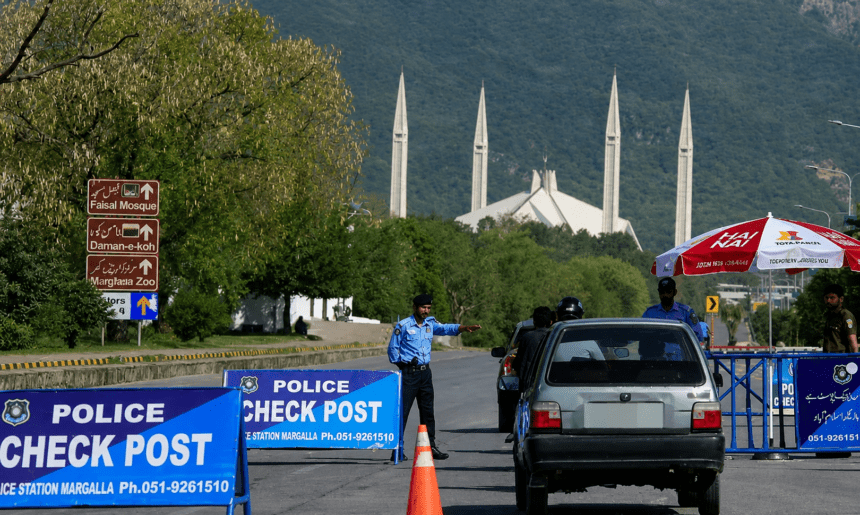
The Inspector General of Islamabad Police, Syed Ali Nasir Rizvi, has expressed sharp dissatisfaction with the security protocols currently in place at worship sites across the capital. During a surprise inspection of several sensitive zones, the police chief found the deployments lacking and warned that any further negligence will result in immediate disciplinary action against local station house officers.
The directive comes as the city faces mounting pressure to tighten security amid a broader intelligence alert regarding potential threats to public and religious spaces. Rizvi noted that the current arrangements—relying heavily on static guards—are insufficient to counter modern security challenges.
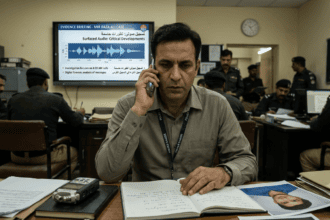
“We are not here to put on a show of presence; we are here to ensure safety,” Rizvi told senior officers during a debriefing session at the Central Police Office. He made it clear that presence alone isn’t security. He demanded a transition to more active surveillance, including the integration of CCTV monitoring with rapid response teams.
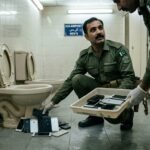
The audit revealed a consistent failure in access control. At several major mosques and community centers, the chief found entry points unguarded or manned by personnel without proper identification protocols. In some instances, private security guards were operating without any coordination with the local police station, creating a dangerous communication gap.
For the residents of Islamabad, the security of these sites is a primary concern. Recent months have seen a rise in petty crime and sporadic security scares, leaving the public wary of the current police response. The IG’s intervention suggests that the top brass is aware of the growing gap between official policy and the reality on the ground.
The Capital Police have now been ordered to conduct a 48-hour “security sweep” of all major religious sites. This includes clearing unauthorized parking near entrances, checking the background of private security staff, and ensuring that metal detectors are not just present, but functional.
Whether this directive leads to a lasting shift in strategy or remains a temporary reaction to a bad inspection remains the core question. For now, the police chief has left his command with a clear message: the status quo is no longer an option.