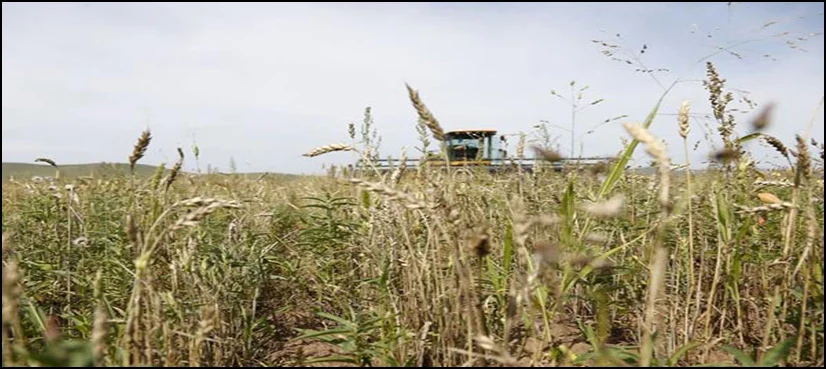
Pakistan’s agricultural authorities are deploying a new generation of climate-resilient, high-yield seed varieties across the country, a move aimed at insulating the sector from increasingly erratic weather patterns. The initiative targets the nation’s core crops—wheat, rice, and cotton—which have faced dwindling productivity due to record-breaking heatwaves and unpredictable monsoon cycles.
The Pakistan Agricultural Research Council (PARC) and provincial research institutes recently cleared dozens of new varieties for commercial use. These seeds aren’t just about higher numbers; they’re engineered to survive temperatures exceeding 40 degrees Celsius and require significantly less water than traditional strains. For a country ranked among the most climate-vulnerable in the world, this shift is no longer a luxury—it’s a survival strategy.
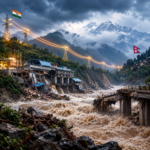
Agriculture contributes roughly 23% to Pakistan’s GDP, yet the sector remains tethered to outdated farming practices. The 2022 floods alone wiped out over $30 billion in infrastructure and crops, exposing the fragility of the existing seed supply. Farmers in Sindh and Punjab have reported that older seed generations are failing to germinate during early-season heat spikes, leading to massive losses before the harvest even begins.
“The old seeds simply can’t handle the new climate reality,” says a senior official at the National Agricultural Research Centre (NARC). He noted that the new wheat varieties, in particular, could boost yields by 15% to 20% while using a fraction of the traditional water requirement. “We are moving from a strategy of ‘more water’ to ‘more science’.”
The rollout also involves a heavy focus on “certified” seeds. Currently, a vast majority of Pakistani farmers use unverified, farm-saved seeds that are prone to disease and low productivity. By partnering with private seed companies and leveraging Chinese agricultural technology under CPEC-linked programs, the government aims to increase the availability of high-quality hybrids.
Cost remains the primary hurdle for the average grower. While these seeds promise better returns, the initial investment is higher. Small-scale farmers, who make up the bulk of the industry, often lack the credit to pivot to expensive hybrids. To counter this, several provincial subsidy programs are being tested to lower the entry barrier for those in the hardest-hit districts.
Success hinges on more than just the lab results. Extension services—the bridge between researchers and the field—must convince skeptical farmers to ditch generations-old habits for unproven new technology. If the transition sticks, Pakistan could significantly reduce its reliance on food imports and stabilize a volatile commodity market.
The stakes are high. With the next planting season approaching, the performance of these seeds in the scorched fields of Southern Punjab and Sindh will determine if Pakistan’s food security can actually withstand the next climate shock.