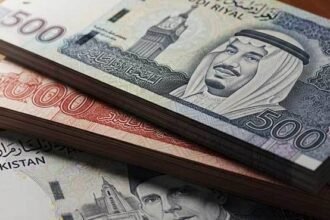
The Pakistani Rupee opened weaker against the U.S. Dollar on Wednesday, April 29, 2026, trading at 284.50 in the interbank market. The local currency lost 40 paisas within the first hour of trading, reflecting persistent pressure on foreign exchange reserves and ongoing uncertainty surrounding the central bank’s upcoming interest rate decision.
Open market rates paint a grimmer picture for importers and travelers. Exchange companies are quoting the greenback at 287.20, widening the spread between the official rate and the street price to nearly three rupees. This gap remains a primary concern for the State Bank of Pakistan, which has struggled to curb speculative buying despite tighter oversight of commercial banks.
Market analysts point to two immediate triggers for today’s volatility. First, the scheduled meeting of the Monetary Policy Committee (MPC) next week has traders hedging their bets. If the central bank opts for a rate cut to spur industrial growth, the rupee could face further downward pressure. If they hold steady or hike, the cost of borrowing—already at historic highs—will continue to squeeze domestic businesses.
“The market is essentially in a holding pattern,” said a senior currency dealer at a major brokerage house in Karachi. “Exporters are holding back their proceeds, waiting for a better rate, while demand from the corporate sector for debt servicing remains constant. It’s a supply-demand mismatch that won’t resolve until we see a concrete inflow of foreign aid.”
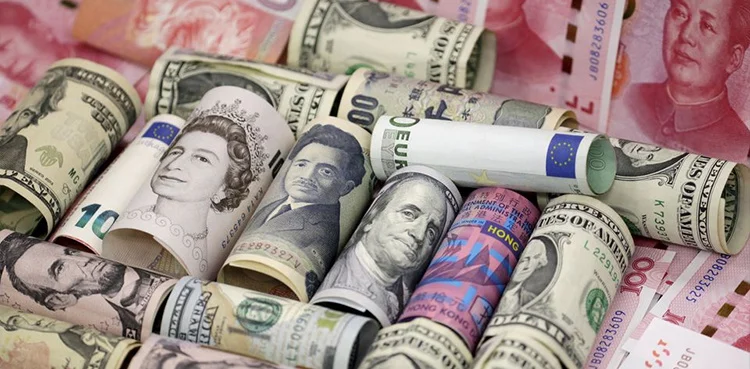
Beyond the dollar, the Euro and British Pound also gained ground against the rupee this morning. The Euro is currently trading at 306.10, while the Pound Sterling has climbed to 358.45. For the average consumer, these shifts mean the cost of imported fuel, medicine, and raw materials will likely climb in the coming weeks, further straining household budgets already stretched by double-digit inflation.
The government continues to emphasize that the current volatility is temporary, pinning its hopes on the finalization of new bilateral loan agreements. However, until those funds hit the central bank’s accounts, the rupee remains vulnerable to every headline coming out of the interbank floor.
For now, the currency market remains jittery, with traders expecting the rupee to oscillate between 284 and 286 throughout the day. Investors are keeping a close eye on the State Bank’s intervention levels, as any sign of aggressive support could stabilize the slide before the week closes.