The IMF Executive Board has greenlit a $1.3 billion disbursement for Pakistan, clearing the final hurdle for the country’s latest economic reform package. While the funding provides a much-needed buffer for Islamabad’s dwindling foreign exchange reserves, the Fund’s leadership offered a sobering assessment of the path ahead.
The approval marks the completion of the first review under the Extended Fund Facility. It’s a lifeline for a government struggling to manage a massive debt pile and a stubborn inflation rate that has eroded household purchasing power across the country.
Yet, the IMF’s board didn’t sugarcoat the outlook. In a rare regional warning, directors flagged the ongoing conflict in the Middle East as a primary threat to Pakistan’s economic stability. They noted that any escalation in regional hostilities could disrupt trade routes, spike global oil prices, and tighten financial conditions, effectively undoing the modest gains Islamabad has made in stabilizing its balance of payments.
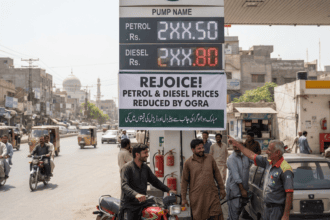
Finance Minister Muhammad Aurangzeb has spent weeks pitching the government’s fiscal discipline to Washington, arguing that tax reforms and energy sector overhauls are finally gaining traction. He insists the structural adjustments are “on track,” even as the public continues to bear the brunt of higher electricity tariffs and increased fuel levies required to meet IMF benchmarks.
The IMF remains skeptical of the long-term trajectory. Behind the closed-door approval, board members emphasized that Pakistan’s fiscal space remains razor-thin. They urged the government to move beyond stop-gap measures and address the deep-rooted issues in the power sector—where circular debt continues to bleed the national treasury—and to broaden the tax base to include historically shielded sectors like retail and agriculture.
For now, the $1.3 billion infusion stabilizes the rupee and keeps the threat of default at bay. But the Fund’s warning serves as a blunt reminder: even with perfect policy execution in Islamabad, the country’s economic fate remains tethered to a volatile geopolitical landscape that is currently beyond its control.