Pakistan is opening its university doors to Bangladeshi students, announcing a dedicated scholarship program aimed at fostering academic ties between the two nations.
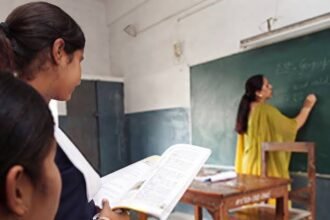
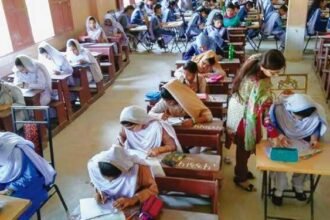
The initiative, spearheaded by the Higher Education Commission (HEC), grants students from Bangladesh access to various undergraduate, graduate, and doctoral programs across public sector universities in Pakistan.
The move marks a shift in regional educational diplomacy. For years, academic exchange between the two countries remained stagnant, hampered by complex visa processes and limited institutional collaboration.
Now, Islamabad is streamlining the application process to bypass previous bureaucratic hurdles. Higher education officials in Islamabad confirmed the program covers tuition fees, living allowances, and health insurance for selected candidates.
The initiative focuses on fields where Pakistani institutions hold a competitive edge, including engineering, agricultural sciences, and information technology. “We are looking to build a bridge through knowledge,” said a senior official at the Ministry of Foreign Affairs.
He noted that the program is part of a broader push to restore cultural and educational dialogue that has been dormant for decades. For Bangladeshi students, the program offers a cost-effective alternative to Western universities, with the added benefit of cultural proximity.
Many Pakistani universities have recently upgraded their research facilities, particularly in the sciences, aiming to climb global rankings. Critics, however, point to the current economic volatility in Pakistan as a potential risk for long-term international student programs.
Inflationary pressures and budget cuts to the HEC have previously threatened the continuity of similar scholarship schemes.
Whether the government can maintain the funding required to sustain this influx of students remains the primary question for prospective applicants. Despite these concerns, the first round of applications is set to open next month. Pakistan’s mission in Dhaka is preparing to host information sessions to detail the selection criteria, which will prioritize merit-based performance in previous academic cycles.
This initiative isn’t just about filling classroom seats; it’s a calculated effort by Islamabad to re-engage with the South Asian academic community.
If the program succeeds, it could set a precedent for future bilateral cooperation that moves beyond the typical political friction.