Painting a canvas or mastering a piano concerto isn’t just about self-expression it’s a biological intervention. New research suggests that consistent engagement in the arts acts as a protective buffer against the cognitive and physical declines typically associated with aging.
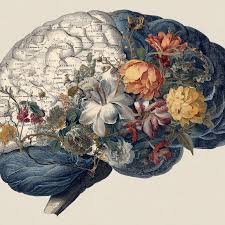
For years, the medical community focused on “brain games” to stave off dementia. The data, however, points to a more effective remedy: creativity. Engaging in artistic pursuits whether visual arts, music, or creative writing stimulates neuroplasticity in ways passive activities cannot.
It forces the brain to form new neural pathways, essentially “re-wiring” areas that might otherwise atrophy over time. “It’s not just about keeping busy,” says Dr. Elena Rossi, a cognitive neuroscientist who has tracked the impact of long-term artistic habits on aging populations.
“When you’re learning a new technique or interpreting a piece of music, you’re demanding high-level executive function and fine motor coordination simultaneously.
You’re building a cognitive reserve that acts like a firewall against age-related decline.” The physical benefits are equally striking. Studies show that elderly individuals who participate in community-based arts programs report lower levels of cortisol the body’s primary stress hormone and higher levels of interleukin-6, a marker of a stronger immune system.
The act of creating, it seems, lowers the systemic inflammation that drives many chronic diseases in older adults.
The social component plays a quiet but critical role. Solitary hobbies have their merits, but collaborative arts like choir singing or group pottery classes tackle the “epidemic of loneliness” that often accelerates aging. Loneliness is a known risk factor for cardiovascular disease and depression, both of which shorten the healthy human lifespan.
By embedding the individual in a creative community, these pursuits provide a dual layer of defense intellectual stimulation and emotional support. Critics of these findings often point to the “correlation versus causation” trap arguing that healthier people are simply more likely to have the energy for arts. Yet, longitudinal data refutes this.
The brain-imaging scans of participants who took up a new artistic hobby in their 70s showed increased connectivity in the frontal cortex within just six months. The prescription is simple: pick up the brush, the pen, or the instrument.
You don’t need to be a master to reap the rewards. The science confirms that the process of creating with all its frustrations and breakthroughs is one of the few things that actually turns back the clock on the aging brain.