

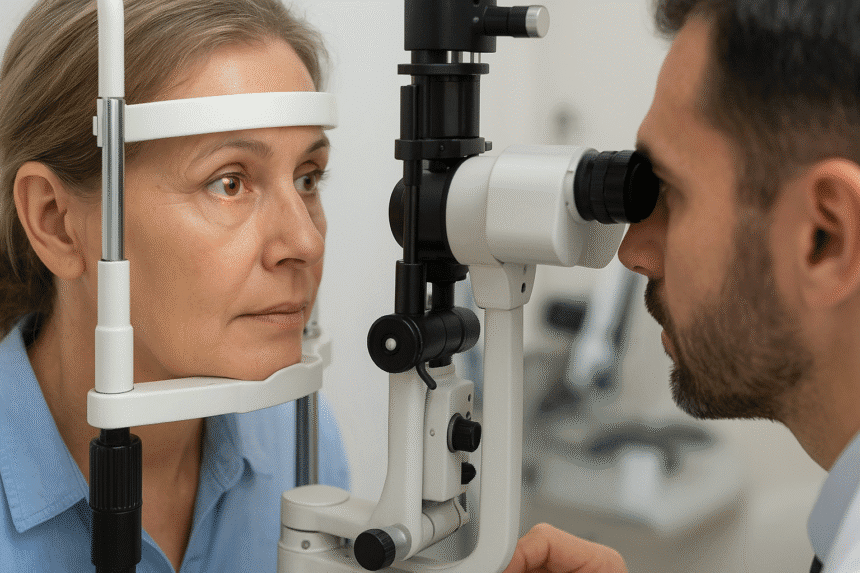
Canadian researchers have made a groundbreaking discovery — revealing that the human eye, particularly the retina, can help detect early signs of aging and cardiovascular disease.
The study, published in the prestigious journal Science Advances, suggests that tiny blood vessels in the retina can provide key insights into a person’s biological age, heart health, and the condition of the circulatory system.
About the Study
The research analyzed data from over 74,000 individuals, including retinal scans, genetic information, and blood samples.
Findings showed that people with simpler and less branched retinal blood vessels were more likely to suffer from heart disease, inflammation, and signs of premature biological aging.
Researchers also identified several critical proteins linked to both aging and cardiovascular conditions, suggesting that changes in these proteins may contribute to the development of chronic diseases.
The Retina: A Window to the Body
According to the scientists, the retina serves as a natural, non-invasive window into the body’s vascular system. Changes in retinal microvessels often mirror those occurring in other parts of the body, providing a valuable diagnostic clue for early detection.
Future Possibilities
Experts believe that in the near future, retinal scans could become a fast, affordable, and non-invasive method to assess the risk of heart disease, stroke, or dementia — potentially revolutionizing early medical screening.
The findings mark a major step forward in preventive medicine, offering hope for early diagnosis and healthier aging.