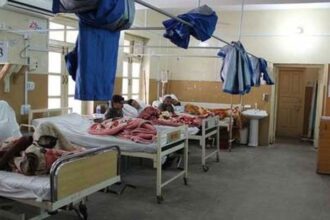


ISLAMABAD: Super flu H3N2 subclade K has been detected in Pakistan, raising public health concerns as the highly contagious influenza strain continues to fuel a major outbreak across Europe, according to medical experts and international health authorities. The detection in Pakistan comes amid a sharp rise in hospital admissions in the US, UK and other European countries, where healthcare systems are already under pressure.
Health experts in Pakistan have confirmed that around 20 percent of tested influenza samples contain the new A(H3N2) subclade K strain. While symptoms largely resemble seasonal influenza, including fever, headache, sore throat, and runny nose, the scale, severity, and speed of transmission have prompted heightened vigilance.
Related story: H3N2 subclade K super-flu: How the new, mutated strain is spreading across the world
Medical professionals explain that the term “super flu” does not indicate a more deadly virus, but rather reflects the unusually high number of infections worldwide and genetic mutations that have allowed the virus to spread earlier and faster than expected this season. The World Health Organization has also noted that this strain has shown rapid dominance in parts of Europe, particularly in the UK.
Rising pressure on hospitals in Europe
According to WHO data and UK health authorities, hospitals in the United Kingdom are currently admitting more than 2,600 influenza patients daily, representing a 50 percent increase compared to the previous week. UK officials have described the situation as the greatest strain on hospitals since the COVID-19 pandemic.
Children and older adults have emerged as the most affected groups, leading some schools in Europe to temporarily close or reduce operating hours to limit transmission. WHO has emphasized that while the virus is not more severe in terms of symptoms, its early spread has significantly increased the burden on health systems.
Situation in Pakistan and preventive guidance
In Pakistan, doctors stress that standard influenza prevention measures remain effective against the super flu H3N2 strain. Health authorities are advising:
• Vaccination for children, older adults, and people with underlying conditions
• Avoiding schools, workplaces, and public gatherings when experiencing flu symptoms
• Limiting handshakes and close contact during illness
• Maintaining hand hygiene and respiratory etiquette
Experts note that several Western countries have expanded flu vaccination to younger populations this season due to the rapid spread of the virus. Pakistani health professionals are urging timely vaccination and responsible behavior to prevent wider community transmission.
WHO monitoring and public health outlook
WHO continues to closely monitor the global spread of influenza A(H3N2) subclade K and has reiterated that early detection, vaccination, and public awareness are key to reducing health system pressure. While human-to-human transmission is expected in seasonal influenza, authorities caution that unchecked spread could disproportionately affect vulnerable populations.
Related story: Deadly super flu surge raises alarms across the US
Health experts in Pakistan have reassured the public that there is no cause for panic, but emphasize the importance of vigilance, early medical consultation, and preventive care as the flu season intensifies.