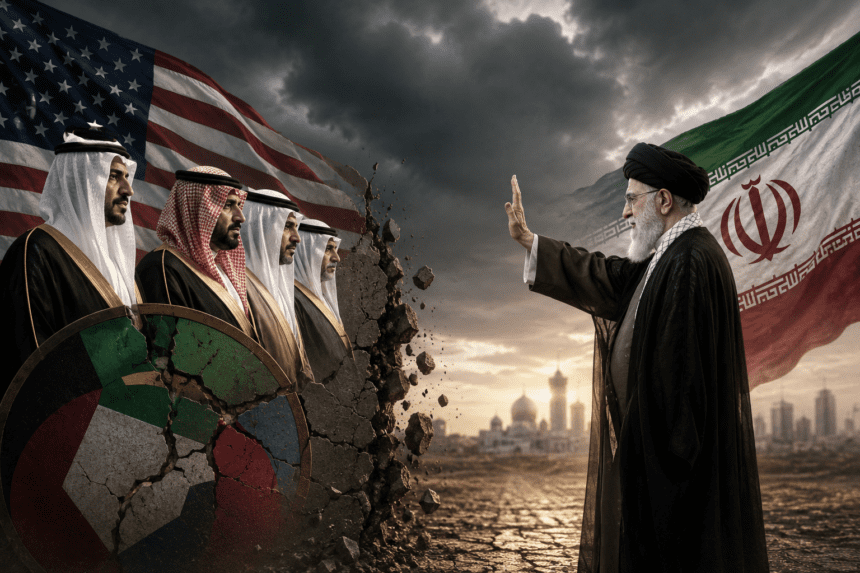
Tehran dismissed a joint statement from the United States and the Gulf Cooperation Council (GCC) on Wednesday, labeling accusations of Iranian regional destabilization “interventionist” and “provocative.”
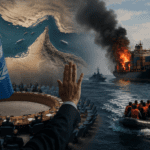
The diplomatic friction follows a summit in Riyadh where US and Gulf officials reiterated concerns over Iran’s ballistic missile program and its support for regional proxies. The joint communique, released Tuesday, framed Tehran’s military activities as a primary threat to maritime security and regional stability.
Tehran’s Foreign Ministry spokesperson, Esmail Baghaei, didn’t mince words. He called the allegations “baseless” and insisted the statement was a deliberate attempt to sow discord among neighbors.
“The US and certain GCC members are projecting their own destabilizing presence onto us,” Baghaei told state media. “This rhetoric only serves to distract from the real source of regional insecurity: foreign military intervention.”
The US-GCC statement specifically pointed to the proliferation of drones and missiles, calling them a direct challenge to the sovereignty of Gulf states. Washington has consistently pushed for a unified regional air defense pact, an initiative that remains a point of contention for Tehran, which views such alliances as a veiled attempt to establish a permanent Western-led military cordon around its borders.
For years, the Gulf states have navigated a precarious balance—seeking security guarantees from Washington while simultaneously engaging in a fragile diplomatic thaw with Tehran. This latest joint statement suggests that while the thaw continues, the underlying distrust remains deep.
Analysts suggest the timing of the rhetoric is tied to broader anxieties regarding the shifting geopolitical landscape. With the US election cycle in full swing and regional conflicts in Gaza and Lebanon spilling over into wider proxy tensions, both Washington and Riyadh are keen to project a united front.
Tehran, however, continues to maintain that its defense posture is strictly deterrent. Foreign Minister Abbas Araghchi has spent the last month touring regional capitals, signaling that Iran prefers diplomatic engagement over further escalation.
Whether this latest verbal sparring is just posturing or a sign of a hardening stance remains unclear. For now, the divide between Tehran’s view of “sovereign defense” and the GCC’s view of “regional threat” remains as wide as ever.