
Even after 12 years, the law approved to eliminate the blood disorder thalassemia in Sindh has not been implemented, and similarly, the 2023 law banning the open sale of formula milk for children has also not been enforced to date.
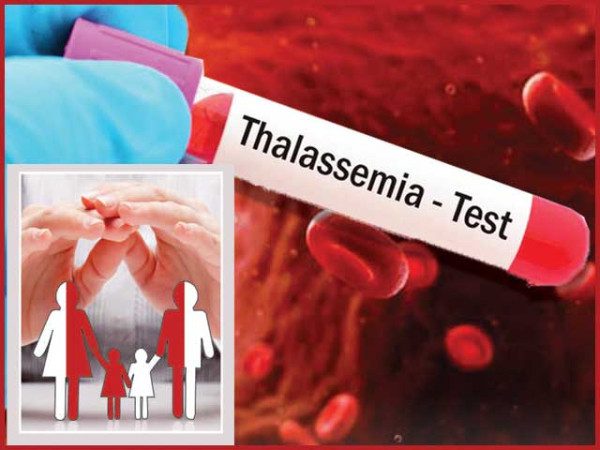
The Sindh Assembly had passed the Sindh Prevention and Control of Thalassemia Act in 2013 with the aim of eliminating the blood disorder thalassemia in the province. Thalassemia is a hereditary disease that is passed from parents to children. If both parents are thalassemia minor, one out of two or three children may be born with thalassemia major. In this condition, affected children require blood transfusions every month, which is a very difficult process.
The purpose of the Thalassemia Act was to ensure that both the bride and groom undergo thalassemia testing before marriage and that the test report be attached to the marriage certificate. However, despite the passage of 12 years, the act has not been implemented.
It is worth noting that the approval of any bill or act in the country involves the expenditure of millions of rupees by the government and the public, as assembly sessions are held for this purpose. While the government succeeds in passing laws through the assembly, it appears unable to implement them.
Due to the lack of implementation of the Thalassemia Act, the number of children born with thalassemia and patients suffering from the disease continues to increase in Sindh, leading to a severe rise in the demand for blood in blood banks.
Hematologist Dr Saqib Ansari said that more than 100,000 children in Pakistan are suffering from thalassemia major, and over 2.4 million blood bags are required annually to save their lives. Each child needs two blood bags every month.
He said that more than 25,000 children in Karachi and across Sindh are affected by the disease, and around 5,000 children are born with it every year. These children require monthly blood transfusions to survive. In Karachi, institutions such as Jinnah Hospital, Civil Hospital, and a few others are working on thalassemia treatment.
The doctor added that due to the lack of thalassemia centers in other cities of Sindh, children from Balochistan and nearby areas also come to Karachi for treatment.
He further said that an estimated 12,000 to 15,000 thalassemia patients in Sindh require blood every month, which means 22,000 to 25,000 blood bags are needed monthly, amounting to 240,000 annually in Sindh alone.
Most thalassemia centers in Sindh are run on a self help basis, and these centers organize blood donation camps at universities and various institutions to collect blood.
Dr Saqib Ansari said that in addition to blood, thalassemia patients also require medicines and laboratory tests. The annual cost of medicines for one affected child is Rs240,000, while tests cost around Rs200,000.
He stated that the situation of thalassemia in Sindh is very serious. Although the Sindh government has recently started supporting some centers, it is insufficient.
He also said that there is no facility for bone marrow transplant at the government level in Pakistan, and due to the absence of a national registry of thalassemia patients, accurate data is not available.
Meanwhile, according to other medical experts, there is no authentic data on thalassemia in Pakistan, but a 2022 study revealed that approximately 9.8 million people in the country are affected by the disease, which accounts for 11 percent of the total population.
Experts say that cousin marriages are a major reason behind children being born with thalassemia in Pakistan. The Sindh Prevention and Control of Thalassemia Act 2013 had made it mandatory to conduct thalassemia tests before marriage and to introduce genetic counseling and diagnostic facilities.
The law also states that pregnant women should undergo thalassemia testing and that a registry of test results should be maintained to compile data on the disease in the province. However, due to non-implementation of the law, no steps have been taken so far, resulting in a continuous increase in the number of affected children and growing financial pressure on families, as the cost of treatment is very high.
Similarly, the Sindh government had passed the Sindh Protection and Promotion of Breastfeeding and Child Nutrition Act 2023, but this law has also not yet been implemented, and formula milk for children is still being sold openly.
The act clearly states that formula milk cannot be sold at medical stores without a doctor’s prescription. If a doctor unnecessarily prescribes formula milk, they can be fined Rs500,000 and sentenced to six months in prison.
According to the law, the promotion of formula milk in hospitals is banned. In emergency situations, formula milk may be given to a newborn for a few days under a doctor’s supervision. The purpose of this law is to promote the benefits of breastfeeding and encourage mothers to breastfeed.
Former Director of the National Institute of Child Health and head of the Neonatal Child Institute, pediatric specialist Professor Jamal Raza, President of the Pakistan Pediatric Association Sindh Professor Waseem Jamalvi, and Dr Khalid Shafi said that the breastfeeding rate in Pakistan is 48 percent, while 52 percent of mothers do not breastfeed their children. As a result, children do not receive the full nutrition provided by breastfeeding and fail to develop proper immunity.
They said that breast milk also enhances immunity and confidence in children. Due to the use of formula milk, children become prone at an early age to diseases such as measles, diarrhea, pneumonia, typhoid, and other infections. Many mothers in the country prefer formula milk, but it does not build immunity, leading to increased illness among children.
They added that strict penalties have been proposed under the law to prevent the misuse of formula milk. Doctors promoting formula milk can face a fine of Rs500,000 and up to six months in prison. In addition, advertisements or promotional materials for formula milk will not be displayed in hospitals and clinics.
It was further stated that formula milk will only be allowed for emergency use under a doctor’s supervision and even then for a limited period. This law has been designed to improve and protect child health in Sindh, providing a framework to ensure implementation and raise awareness about the importance and benefits of breastfeeding.