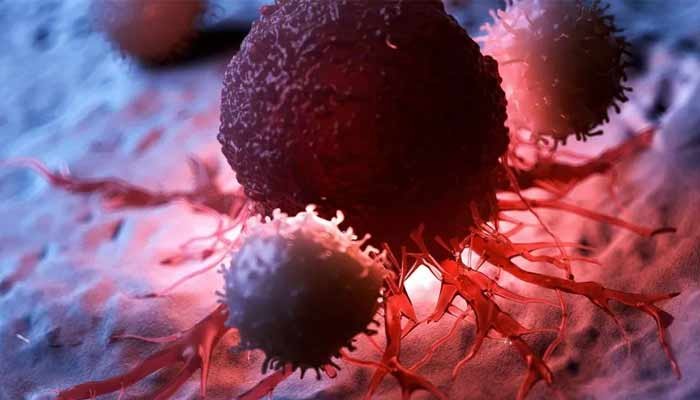
Although aging increases the likelihood of various diseases, a study has found that after the age of 85, the chances of developing cancer significantly decrease.
It was already known that the likelihood of cancer increases from middle age onward. However, in very old age, the risk either stabilizes or begins to decline.
A group of scientists conducted research on genetically modified mice to understand the reason behind this behavior.
In the study, the “KRAS” gene mutation one of the most common cancer causing mutations was introduced in the mice, and lung cancer was induced. The experimental mice were divided into two age groups: 4 to 6 months and 21 to 22 months.
The study clearly observed that older mice had two to three times fewer cancerous tumors compared to younger mice.
According to the researchers, this is because the aging body develops protective mechanisms that help prevent the growth of tumors caused by mutations. Therefore, although the number of cancer causing mutations increases with age, aged tissues have the ability to stop these mutations from turning into cancer.
Further research revealed that tumor suppressor genes are more easily deactivated in younger mice, whereas in older mice this is less likely to happen. This appears to be the main reason why the likelihood of cancer decreases at an advanced age. This discovery may play an important role in the future search for cancer treatments.
According to the World Health Organization, 30 to 50 percent of cancer cases are preventable. Preventable causes of cancer include tobacco and alcohol, hepatitis and human papillomavirus, and unhealthy lifestyles such as poor diet and obesity.
Environmental factors such as air pollution, carcinogenic chemicals, and radiation can also contribute to this deadly disease.