

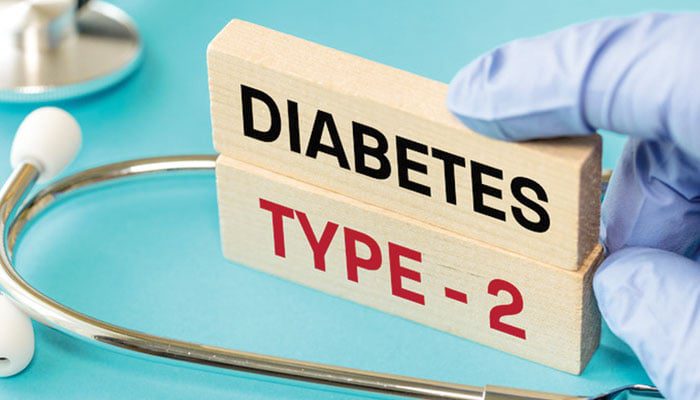
Diabetes is a lifelong medical condition that claims millions of lives every year and can affect anyone. The disease develops when the body is unable to properly process sugar (glucose) and incorporate it into the bloodstream.
Diabetes is a rapidly growing global issue, and it is estimated that more than 420 million people worldwide are affected. According to the World Health Organization, this number is four times higher than it was 40 years ago.
What Causes Diabetes?
When we eat food, our body converts carbohydrates into sugar (glucose). A hormone called insulin, produced by the pancreas, directs the body’s cells to absorb this sugar for energy.
Diabetes occurs when insulin is either not produced in sufficient amounts or does not function properly. As a result, sugar begins to accumulate in the bloodstream.
Types of Diabetes:
There are several types of diabetes, but two are more common. In Type 1 diabetes, the pancreas stops producing insulin, causing sugar to accumulate in the bloodstream.
Scientists do not fully understand the exact cause of Type 1 diabetes, but they believe it may be due to genetic factors or a viral infection that damages the insulin-producing cells in the pancreas. About 10 percent of diabetes patients have Type 1.
Type 2 diabetes is the most common form of the disease, affecting 90 percent of patients.
In Type 2 diabetes, the pancreas either does not produce enough insulin as required or the insulin produced does not work effectively.
Over time, in Type 2 diabetes, increased pressure is placed on the insulin-producing system, and cells begin to deteriorate, further reducing the body’s ability to produce insulin.
Type 2 diabetes usually affects individuals aged 40 years or older, and treatment focuses on diet and exercise. However, due to unhealthy modern lifestyles, it is increasingly affecting younger people as well.
Some pregnant women develop diabetes during pregnancy when their bodies cannot produce enough insulin for themselves and their baby.
According to various studies, between 6 to 16 percent of women develop gestational diabetes. In such cases, they must control blood sugar levels through diet and exercise to prevent it from developing into Type 2 diabetes.
Why Does Type 2 Diabetes Occur?
All types of diabetes develop due to a combination of two types of factors:
1. Heredity
2. Environmental influences
If diabetes runs in your parents, siblings, or blood relatives, your risk is higher. It should also be noted that individuals in South Asia, including Pakistan, already have a higher risk of Type 2 diabetes. This means that even without a family history, the risk of developing Type 2 diabetes may still be higher compared to other populations.
To better understand the causes of Type 2 diabetes, they can be divided into two categories.
First are factors beyond your control, such as heredity, being over 45 years of age, high blood pressure, and certain abnormalities in blood lipid levels.
Symptoms of Type 2 Diabetes:
It is very difficult to identify symptoms of Type 2 diabetes in many individuals. When symptoms do appear, there is a possibility that the person has already had the condition for several years. Researchers say this means that preventive measures should begin much earlier in life.
Early symptoms of Type 2 diabetes include excessive thirst, dry mouth, increased hunger, frequent urination often every hour, and unusual weight gain or loss. Later, as blood sugar levels rise, individuals may experience headaches, blurred vision, and increased fatigue.
Diagnosis of Type 2 Diabetes:
Doctors diagnose the condition through a blood test that determines the average blood sugar level over the past two to three months. Additionally, a doctor may recommend a random blood glucose test to check the current sugar level.
Treatment:
After reviewing the patient’s health condition, blood sugar level, and medical history, a doctor may prescribe tablets, other medications, and insulin at an early stage. Such treatment is effective for individuals diagnosed with beta cell failure.
This means that in cases of high blood sugar, the pancreas stops producing insulin. In such situations, daily insulin use becomes essential.
Prevention:
A remarkable fact about Type 2 diabetes is that it can be prevented. The risks can be reduced by following these measures:
Adopt a healthy diet, exercise for at least half an hour daily, maintain a healthy weight, and follow a balanced lifestyle.