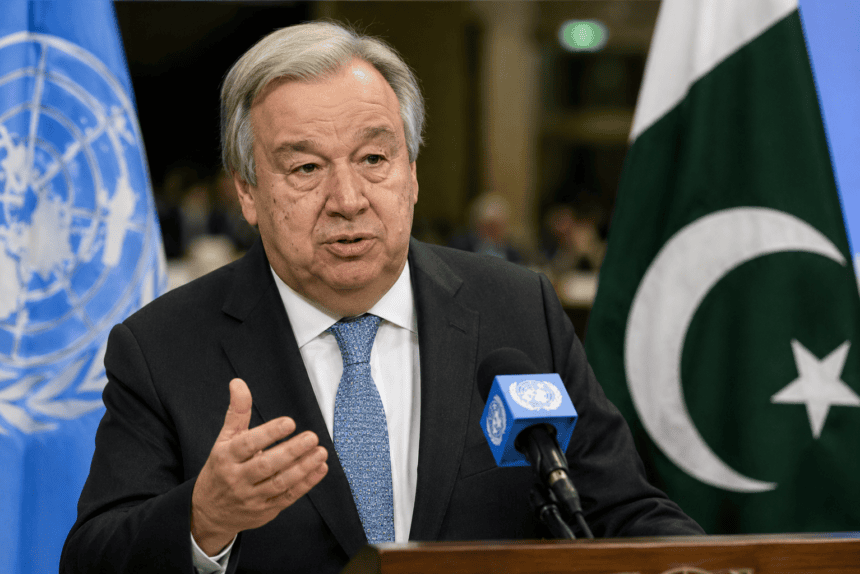
UN Secretary-General António Guterres has formally acknowledged Pakistan’s recent diplomatic maneuvers aimed at cooling regional volatility. In a briefing at the United Nations headquarters, Guterres pointed to Islamabad’s ongoing initiatives as a necessary framework to “reduce tensions and create space for dialogue.”
The endorsement comes at a time when regional friction remains high, particularly along the borders where sporadic skirmishes have threatened broader stability. By backing Pakistan’s approach, the UN is signaling a preference for back-channel diplomacy over the current cycle of public brinkmanship.
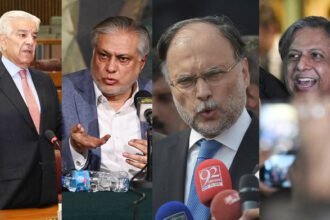
Pakistan’s foreign office has spent the last several weeks pitching a “de-escalation roadmap” to key international stakeholders. The plan focuses on re-establishing communication lines that have been dormant since the last major border flare-up. Officials in Islamabad argue that without these guardrails, a minor tactical error could quickly spiral into a full-scale confrontation.
Critics often point to the domestic instability within Pakistan as a reason to doubt the longevity of these peace efforts. The economy is struggling, and political polarization remains intense. Yet, the UN’s top diplomat seems to view these internal constraints as a reason for, not against, the necessity of regional calm.
Guterres didn’t shy away from the underlying complexities. He noted that while the initiatives are a positive step, they remain fragile. Success, he suggested, relies on sustained political will from both sides of the border—a commodity that has been in short supply for years.
The Secretary-General’s comments provide a rare diplomatic shield for Pakistan, allowing the government to frame its recent policy shifts not as a sign of weakness, but as a strategic contribution to international peace. Whether this creates enough momentum to bring opposing parties to the table, however, remains the immediate test for the UN’s mediation team.
For now, the focus shifts to whether these “spaces for dialogue” will be filled with substantive negotiations or merely more rhetoric.