
Web desk
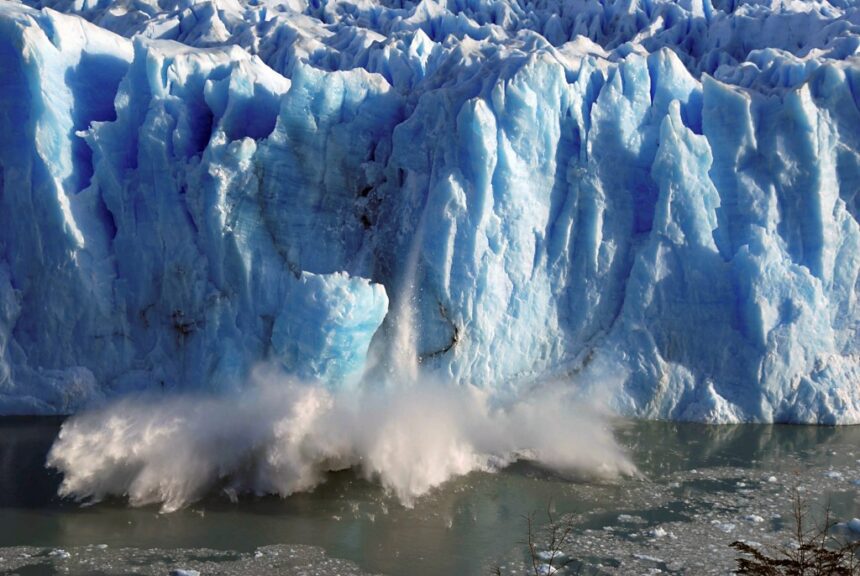
Sweden has lost eight glaciers in 2024 alone, experts warn, as satellite data confirms the disappearance of ice masses that once stretched across the country’s northern regions. The loss highlights the growing threat of climate change to fragile ecosystems.
Sweden originally had 277 mapped glaciers. After the latest survey, that number has now fallen further, with eight completely gone.
The discovery was made by researchers at the Tarfala Research Station, which has monitored Swedish glaciers for decades.
Glaciologist Professor Nina Kirchner confirmed that once glaciers disappear, they cannot regenerate under current climate conditions.
Among the vanished ice bodies is Cunujokeln, the country’s northernmost glacier, located inside the Vadvetjakka National Park, an area known for its Arctic biodiversity.
The largest glacier lost was comparable in size to about six football fields, underlining the magnitude of the shrinkage.
Many of the disappeared glaciers were relatively small, yet their loss is considered a warning sign for larger ice bodies that are also retreating.
Scientists attribute the disappearances to rising global temperatures and shrinking winter snow cover, which have accelerated melting.
The last few summers in Sweden have been warmer than average, with prolonged heat waves causing glaciers to retreat at record speed.
Climate change, fueled by greenhouse gas emissions, is intensifying this process not only in Sweden but across Scandinavia and the Arctic.
The loss of glaciers impacts freshwater reserves, local ecosystems, and sea-level rise on a global scale.
Biodiversity in regions like Vadvetjakka National Park is at risk, as glaciers play a role in regulating water cycles and habitats.
Experts warn that if current trends continue, dozens more Swedish glaciers may vanish within the next decade.
Climate scientists stress that these losses serve as a wake-up call.
Without significant reductions in carbon emissions, glacier retreat will accelerate worldwide, especially in polar and mountain regions.
Swedish researchers urge stronger climate action policies, as well as greater public awareness of the environmental costs of glacier loss.