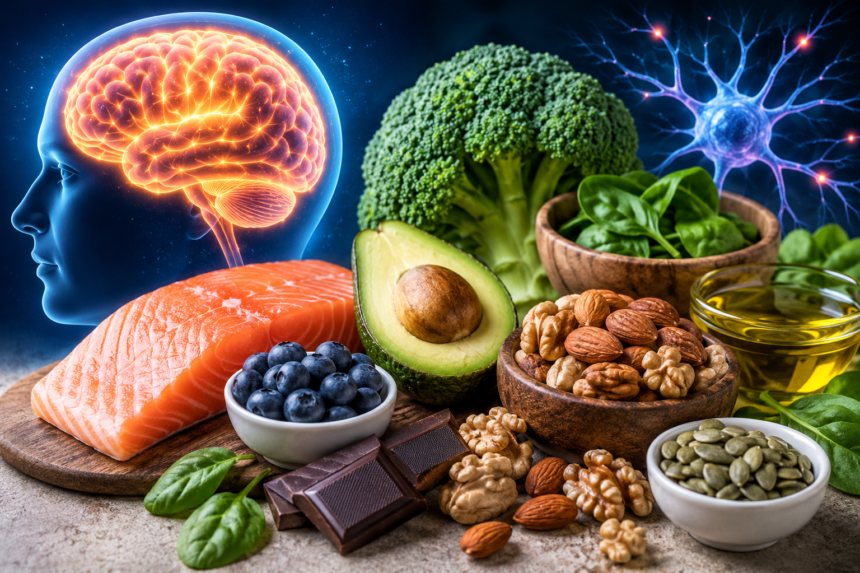
A leading neurologist has highlighted the importance of nutrition in maintaining brain health, saying that the foods people eat every day can significantly influence memory, concentration, and long-term cognitive function. According to the expert, adopting a balanced diet rich in brain-friendly nutrients can help protect the brain from age-related decline while improving mental performance and overall well-being.
The neurologist explained that fatty fish, including salmon, sardines, and mackerel, are among the best foods for brain health because they are rich in omega-3 fatty acids. These healthy fats play a crucial role in building brain cells, improving communication between neurons, and reducing inflammation that may contribute to cognitive decline. Regular consumption of omega-3-rich foods has also been linked to a lower risk of dementia and Alzheimer’s disease.
Another highly recommended food is blueberries, which contain powerful antioxidants known as flavonoids. These compounds help protect brain cells from oxidative stress and may improve memory, learning ability, and communication between brain cells. Studies suggest that eating berries regularly may slow age-related memory loss.
The expert also encouraged people to include leafy green vegetables such as spinach, kale, and broccoli in their diets. These vegetables are packed with vitamins K, C, and E, along with folate and antioxidants that support healthy brain function and may reduce the risk of cognitive decline. Nuts, especially walnuts, were also recommended due to their high levels of healthy fats, vitamin E, and antioxidants that support memory and brain performance.
Whole grains, eggs, beans, seeds, and dark chocolate were also listed among beneficial foods for brain health. Whole grains provide a steady supply of energy to the brain, while eggs are an excellent source of choline, a nutrient essential for memory and learning. Pumpkin seeds, sunflower seeds, and flaxseeds provide magnesium, zinc, and healthy fats that contribute to optimal brain function.
The neurologist advised limiting the intake of ultra-processed foods, sugary drinks, excessive salt, and saturated fats, which have been associated with inflammation and poorer cognitive performance. Staying physically active, getting enough sleep, managing stress, and remaining mentally engaged through reading, puzzles, and learning new skills were also described as essential habits for maintaining a healthy brain.
Health experts emphasize that while no single food can prevent memory loss or neurological disease, a healthy lifestyle combined with a nutrient-rich diet can significantly reduce the risk of cognitive decline and help individuals maintain sharper memory throughout life.