
In January 2025, the International Diabetes Federation (IDF) officially recognized a new form of diabetes caused by malnutrition as Type 5 diabetes.
Type 5 diabetes is a distinct form of the disease that develops due to prolonged nutritional deficiency and is mostly found in low and middle income countries, particularly in South Asia and Africa.
According to the IDF, recognizing this condition is a major development because it did not fully fit into either Type 1 or Type 2 diabetes.
The formal identification of this new form of diabetes as Type 5 will make better treatment and healthcare facilities possible for millions of affected people.
Symptoms of Type 5 diabetes:
Common symptoms of this blood related disease include excessive thirst, frequent urination, headaches, blurred vision, fatigue, and delayed wound healing.
Experts say that because these patients are often malnourished, symptoms such as weight loss, weakness, and loss of appetite make the diagnosis of diabetes more difficult.
Generally, such patients have a body mass index below 18.5. Due to long term malnutrition, impaired physical growth, enlargement of salivary glands, and changes in skin and hair may also be observed.
Causes of Type 5 diabetes:
According to the IDF, this disease develops due to prolonged malnutrition during childhood and adolescence, repeated infections, and lack of access to adequate food.
These factors prevent the pancreas from fully developing, which later reduces its ability to produce insulin.
Experts explain that Type 5 diabetes is neither autoimmune nor associated with insulin resistance. The main problem is that the pancreas does not fully develop, resulting in insufficient insulin production.
Issue of misdiagnosis:
Experts say that in the past, such patients were often mistakenly diagnosed with Type 1 or Type 2 diabetes and given inappropriate treatment. With the official recognition of Type 5 diabetes, patients can now receive better and more effective treatment according to their condition.
Possible complications:
Like other forms of diabetes, Type 5 diabetes also increases the risk of heart disease, kidney damage, nerve problems, and vision related complications.
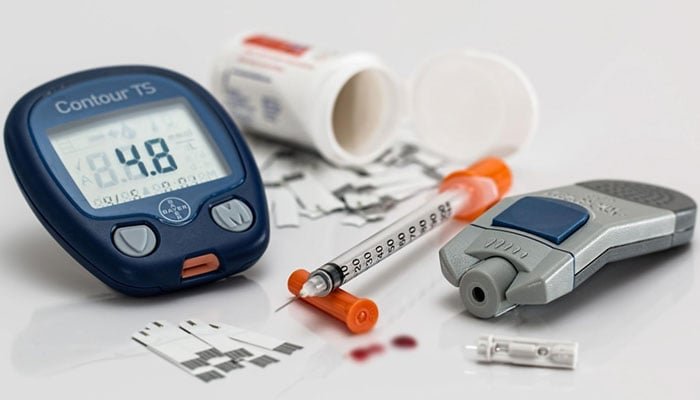
Experts emphasize that regular blood sugar monitoring and timely treatment are essential to prevent these complications.
Medical specialists say that keeping blood sugar levels and HbA1c under control is just as important for patients with Type 5 diabetes as it is for other types, in order to avoid long term health damage.