

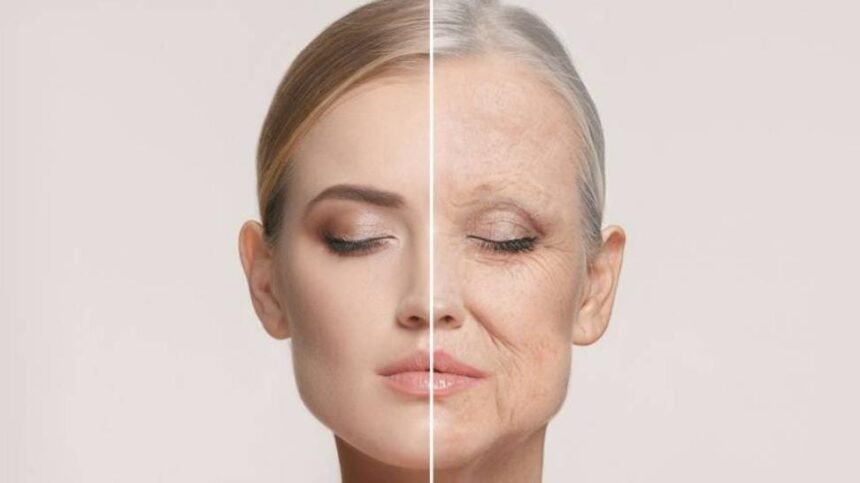
Aging is a natural part of life, but its earliest and most visible signs often appear on the face. According to Harvard Medical School’s Skin Care And Repair report, facial aging is driven by both external and internal changes — from shifting fat deposits and weakening connective tissue to sun exposure and environmental stressors. Understanding these changes helps us make informed decisions about prevention, skincare, and treatment.
How the face ages
Over time, every structure of the face — skin, fat, muscle, and bone — undergoes transformation.
- Hairline and forehead: Hairlines recede, making foreheads appear larger.
- Ears and nose: Cartilage continues to grow, leading to longer ears and slightly drooping nose tips as connective tissue weakens.
- Facial fat and skin: Youthful faces have evenly distributed fat that plumps the cheeks, forehead, and eye area. As we age, this fat shifts downward, leading to sagging skin and hollowness under the eyes, while lower areas of the face — chin and neck — accumulate fat, creating jowls.
- Wrinkles and folds: Continuous muscle activity causes expression lines on the forehead and between eyebrows, while loss of collagen and sun exposure contribute to deeper folds and fine wrinkles.
Sun damage, smoking, and poor skincare accelerate these processes, breaking down collagen and elastin — two key proteins responsible for firmness and elasticity.
What you can do to protect and rejuvenate aging skin
While no treatment can stop time, a combination of dermatologist-approved habits and procedures can slow down and even reverse visible signs of aging.
Sun protection
Dermatologists emphasize that consistent sun protection is the most effective anti-aging strategy. Using a broad-spectrum SPF 30 sunscreen daily, along with protective hats and shade, prevents further collagen loss and discoloration.
Prescription creams and retinoids
FDA-approved retinoid creams such as Retin-A (tretinoin), Avita, Avage, and Renova have been clinically proven to reduce wrinkles and sun spots. Retinoids stimulate collagen production in the dermis and even out pigmentation.
Moisturizers and exfoliants
Hydrating creams with glycerin, hyaluronic acid, or ceramides can temporarily plump the skin and smooth wrinkles. Exfoliant creams help shed dead skin cells, revealing fresher, younger-looking skin underneath.
Botulinum Toxin Injections (Botox, Dysport, Myobloc)
These injections relax facial muscles that create dynamic wrinkles, such as forehead lines or frown lines between the brows. Results typically last three to four months and provide a smoother, rested appearance.
Dermal fillers
Injectable hyaluronic acid fillers restore lost volume in the cheeks, lips, and nasolabial folds. They fill deep creases and redefine contours, offering results that last up to six months or longer with maintenance.
Laser and light-based treatments
Modern lasers can erase sunspots, redness, and wrinkles. Non-ablative lasers stimulate collagen growth from beneath the skin’s surface, while ablative resurfacing lasers remove damaged outer layers to reveal smoother, tighter skin. Healing time varies from days to weeks, depending on the treatment intensity.
Embracing age with confidence
Aging gracefully doesn’t mean rejecting aesthetic treatments — it means making informed, healthy decisions that align with how you want to look and feel. Dermatologists recommend pairing professional treatments with preventive care — sun protection, proper hydration, and a balanced lifestyle — to keep your skin resilient and radiant.
Ultimately, the goal isn’t to erase age but to enhance skin health and confidence at every stage of life.