By using this site, you agree to the Privacy Policy and Terms of Use.
Accept
Media HydeMedia Hyde
  • Home
  • Politics
  • Education
  • Entertainment
  • Sports
  • Blogs
  • Business & Commerce
  • Others
    • Religious
    • Metropolitan
    • Climate and Weather
Font ResizerAa
Media HydeMedia Hyde
Font ResizerAa
  • Home
  • Politics
  • Education
  • Entertainment
  • Sports
  • Blogs
  • Business & Commerce
  • Others
    • Religious
    • Metropolitan
    • Climate and Weather
Follow US
© 2026 Media Hyde Network. All Rights Reserved.
Health

Severe COVID and Flu May Increase Risk of Lung Cancer, New Study

Last updated: March 17, 2026 12:07 am
Neha Ashraf
Share
SHARE

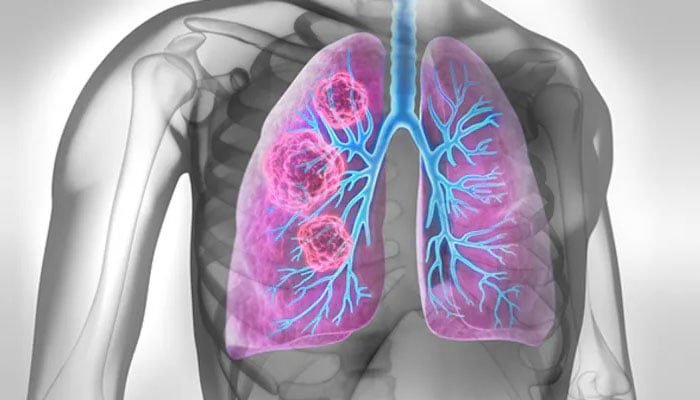
A new study conducted in the United States has revealed that patients who suffer from severe coronavirus or influenza (flu) may face an increased risk of developing lung cancer in the future.

‎The research was carried out by scientists at the University of Virginia Health System and has been published in the renowned scientific journal “Cell.”

‎According to the study, severe viruses cause long lasting changes in the lungs that later create a favorable environment for the growth of cancer cells.

‎Scientists said that after a severe infection, the performance of the body’s immune cells weakens, leading to persistent inflammation in the lungs, and this condition can accelerate the development of tumors.

‎According to the lead scientist of the study, Dr. Jay Sun from the University of Virginia School of Medicine, the lungs may remain in an inflamed state for a long time after severe COVID or flu, which increases the chances of cancer cell growth.

‎According to the World Health Organization, lung cancer is the leading cause of cancer related deaths worldwide, and in many patients it is diagnosed at a late stage, making treatment more difficult.

‎Experiments conducted in the study showed that mice that recovered from severe lung infections had a significantly higher rate of lung cancer.

‎Similarly, according to the data, patients hospitalized due to COVID were found to have about a 1.24 times higher risk of being diagnosed with lung cancer, regardless of whether they smoked or not.

‎Experts say that after severe infection, immune cells called neutrophils and macrophages begin to function abnormally, creating an environment in the lungs that supports tumor growth.

‎The research also found that vaccination can play an important role in reducing this risk.

‎Vaccines reduce the severity of the virus, which also lowers the chances of dangerous changes occurring in the lungs.

‎Experts have advised that individuals who recover from severe COVID, flu, or pneumonia should undergo regular medical monitoring so that if early symptoms of lung cancer appear, timely diagnosis and treatment can be possible.


Share This Article
Email Copy Link Print
Previous Article Can Walking Alone Improve Physical Health and Fitness?
Next Article Measles Outbreak in Kasur, 8 Children from the Same Village Affected
Leave a Comment

Leave a Reply Cancel reply

Your email address will not be published. Required fields are marked *

Sponsored Ads

Stay Connected

FacebookLike
XFollow
InstagramFollow
YoutubeSubscribe
WhatsAppFollow
ThreadsFollow
Climate colonialism: Why Pakistan pays the price
Climate and Weather Headline
May 1, 2026
Iran Sends New Proposal for Peace Talks with U.S.
Headline Politics
May 1, 2026
International Labour Day: Workers face rising costs and stalled protections
pakistan
May 1, 2026
Alden Ehrenreich on the unspoken frustration of acting alongside A-listers
Entertainment
May 1, 2026
Govt hikes petrol price by Rs6, diesel by Rs19
Breaking
May 1, 2026
Goods transporters raise fares by 5%, demand abolition of traffic fines
Business & Commerce Headline
May 1, 2026

You Might Also Like

Health

Asbestos Scare Spreads to New Zealand Schools

By
Irma Khan
Health

Blood Pressure Drug “Ziac” Recalled

By
Neha Ashraf
WASHINGTON: UnitedHealth has warned that the Trump administration’s planned Medicare obesity-drug pilot faces “notable challenges,” casting doubt over how smoothly the program can move ahead if major insurers stay cautious. Recent market reporting said the model depends heavily on participation from Medicare drug plans that cover most Part D enrollees, which makes the stance of large insurers especially important. The concern centers on a broader CMS effort to expand access to GLP-1 weight-loss medicines for seniors. Under CMS’s published framework, the longer-term BALANCE Model would begin in Medicare Part D in January 2027, while a temporary Medicare GLP-1 Bridge is designed to start earlier and give eligible beneficiaries short-term access before that main model begins. What makes this a little more complicated is that the short-term bridge and the longer pilot are not the same thing. CMS says the Medicare GLP-1 Bridge operates outside the normal Part D coverage and payment flow, meaning Part D sponsors are not directly involved in that bridge arrangement. In other words, insurer participation is a much bigger issue for the 2027 BALANCE rollout than for the bridge itself. That distinction matters because investors and drugmakers are watching this closely. Reports said shares of obesity-drug makers fell after UnitedHealth’s comments, largely because Medicare coverage is seen as a huge growth opportunity for drugs such as Wegovy and Zepbound. If major insurers hesitate, the program could struggle to achieve the scale CMS appears to want. There is already some evidence of resistance. MarketWatch reported that CVS Health has opted out, while UnitedHealth is still evaluating the structure and discussing possible changes with Medicare officials. That does not mean the program is dead, not yet anyway, but it does suggest the administration may need to revise the design or sweeten the terms if it wants broader insurer buy-in. The bigger backdrop here is cost. Medicare has long been wary of broad obesity-drug coverage because GLP-1 therapies are expensive and potentially involve very large patient populations. Earlier policy debates around these drugs were shaped by concerns that wide coverage could drive up federal spending sharply, even as supporters argued the medicines could reduce longer-term health costs tied to obesity. So the headline problem for CMS is pretty straightforward: it has created a short-term bridge that can move without direct Part D plan involvement, but the more ambitious long-term Medicare model still appears to need insurers on board. UnitedHealth’s warning does not shut the door, but it does signal that one of the industry’s biggest players thinks the current setup may not be ready for easy launch.
HeadlineHealth

UnitedHealth raises red flags over Medicare obesity-drug pilot

By
Mabruka Khan
Health

Second National Anti Polio Campaign to Begin from April 13

By
Neha Ashraf
Media Hyde Media Hyde Dark
Facebook Twitter Youtube Rss Medium

About US

Media Hyde Network: Your instant connection to breaking stories and live updates. Stay informed with our real-time coverage across politics, tech, entertainment, and more. Your reliable source for 24/7 News.

Top Categories
  • Headline
  • Politics
  • Entertainment
  • Education
  • Sports
  • Religious
  • Metropolitan
  • Climate and Weather
Usefull Links
  • Contact Us
  • Disclaimer
  • Privacy Policy
  • Cookies Policy
  • Advertising Policy
  • Terms & Conditions

© 2025 Media Hyde Network. All Rights Reserved.

Welcome Back!

Sign in to your account

Username or Email Address
Password

Lost your password?