Iran has sent a fresh proposal for peace talks with the United States through Pakistani mediators, in the latest sign that quiet diplomacy is still alive despite weeks of tension and failed earlier contacts. Iranian state reporting said the new text was delivered on Thursday evening, though its exact contents were not made public. Pakistani officials also indicated that Tehran had submitted a revised response to the latest U.S. position.
The move appears to be an effort to restart a stalled negotiating process rather than a breakthrough on its own. Diplomatic contacts between the two sides have remained fragile, with both governments still divided over the shape, timing and priorities of any possible agreement. Pakistani officials involved in the channel have signaled some renewed optimism after receiving Iran’s updated response, but there has been no announcement of a final deal or confirmed new round of direct talks.
At the center of the dispute is the order in which major issues should be addressed. Recent reporting suggests Tehran has tried to focus first on immediate de-escalation and regional security concerns, including tensions linked to the Strait of Hormuz, while leaving the nuclear file for a later stage. Washington has continued to push for any serious agreement to deal directly with Iran’s nuclear program, and that difference has remained one of the biggest obstacles to progress.
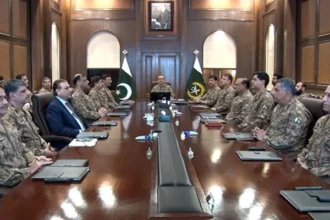
Pakistan’s role has become increasingly important because it is serving as the main backchannel between Tehran and Washington at a highly sensitive moment. That gives Islamabad a visible diplomatic role in efforts to prevent further escalation in a region where security tensions can quickly affect shipping routes, oil markets and broader political stability.
For now, the new Iranian proposal should be seen as a signal, not a settlement. The channel is still open, both sides are still talking indirectly, and the possibility of further negotiations remains on the table. But the core disagreements that blocked earlier progress have not disappeared, which means the real test will be whether this latest exchange can lead to an actual meeting and some movement on the issues both sides have so far refused to bend on.