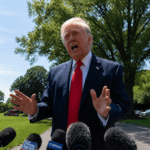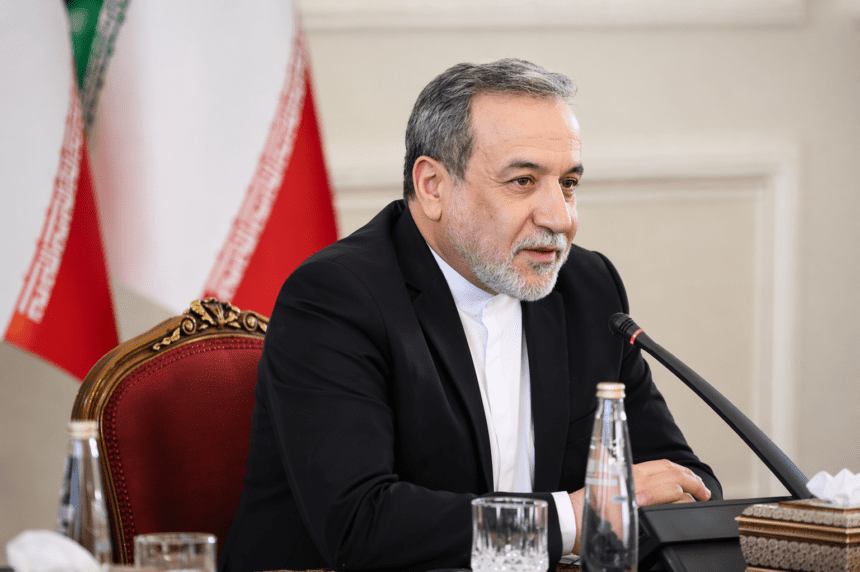
Iran’s foreign minister, Abbas Araghchi, said on Friday, April 17, that the Strait of Hormuz is “completely open” to commercial vessels, a statement aimed squarely at global shipping markets after weeks of war-related disruption in one of the world’s most important energy corridors. AP reported that Araghchi’s message came as a 10-day truce in Lebanon appeared to be holding, giving the announcement wider regional significance.
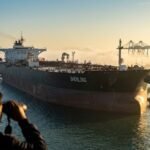
What makes the remark so important is the waterway itself. The Strait of Hormuz is the narrow maritime passage linking the Persian Gulf to the Gulf of Oman and the Arabian Sea, and it carries a huge share of the world’s seaborne oil trade. In practical terms, even a hint of closure or restricted passage there can jolt energy markets, shipping insurers and governments far beyond the Middle East. Recent reporting said oil prices dropped more than 10% after Iran’s announcement, showing just how sensitive markets remain to any signal about the strait’s status.
Araghchi’s wording also came with an important condition. Multiple reports said Iran described the passage as open for all commercial vessels on the coordinated route already announced by the country’s Ports and Maritime Organisation. So while Tehran is presenting this as a full reopening, the reality appears closer to controlled passage under Iranian terms than a simple return to normal prewar traffic.
The statement also fits with Iran’s broader diplomatic messaging. On Iran’s Foreign Ministry website, Araghchi said the strait was not closed and argued that ships had been hesitating because insurers feared the war, not because Iran had formally shut the waterway. A separate ministry statement framed the danger in the strait as a result of U.S. and Israeli military action since February 28, 2026, and linked maritime safety directly to the wider conflict.
Politically, the announcement does two things at once. It gives Tehran a way to look responsible in front of global markets by signaling that trade can move again, and it also reminds the world that Iran still has enormous leverage over a strategic chokepoint. That matters because the status of Hormuz has become central to the wider diplomacy around the war, ceasefire efforts and any future talks involving the United States, Iran and regional actors. AP reported that European leaders were also meeting Friday with the strait high on the agenda.
So the immediate story is straightforward: Iran says the Strait of Hormuz is open again for commercial traffic. But the deeper story is less settled. Shipping may resume more freely, and markets have clearly welcomed that signal, yet the passage is reopening under wartime conditions, under Iranian coordination, and inside a ceasefire that still looks fragile. In other words, “completely open” may be true in the narrow diplomatic sense, but not necessarily in the old, uncomplicated commercial sense.