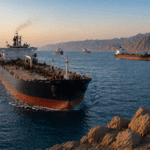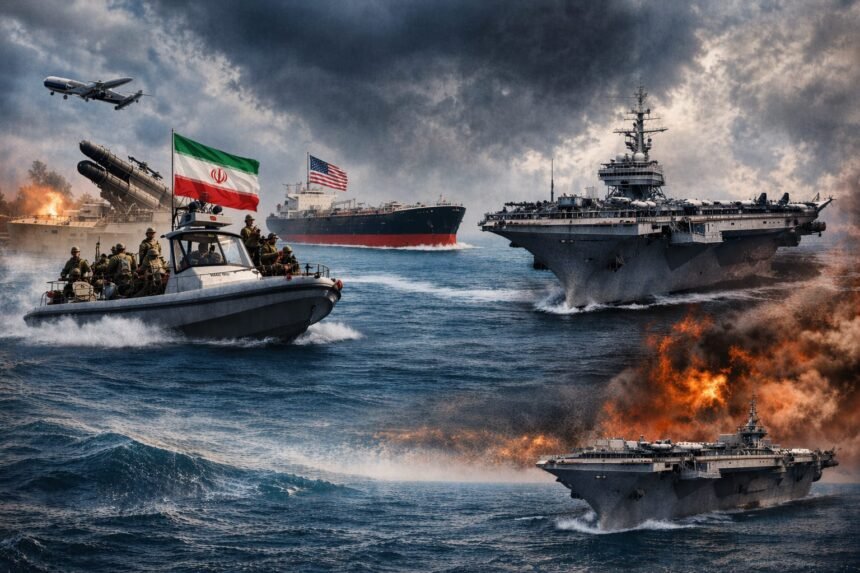
Iran has officially reopened the Strait of Hormuz to commercial shipping following a temporary ceasefire in the region. This has reduced immediate fears of a global oil crisis.
However, Iran has imposed strict conditions: all ships must coordinate with its Revolutionary Guard forces, and military vessels are still restricted.
At the same time, the United States has not lifted its naval blockade on Iranian ports, keeping tensions high despite the reopening.
Oil Prices Drop, Global Markets React
The reopening of the strait triggered a sharp drop in oil prices—falling around 10–12%—and boosted global stock markets.
This reflects growing optimism that the conflict may be moving toward de-escalation, although uncertainty remains.
Possible Peace Talks Soon
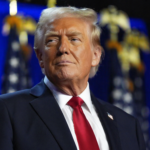
U.S. leadership has indicated that a deal with Iran could be reached soon, with potential talks expected in the coming days.
Key issues under discussion include:
Iran’s nuclear program limits
Release of frozen Iranian funds
Long-term security arrangements in the Gulf
Conflict Still Fragile
Despite positive signals, the situation is far from stable:
The U.S. naval blockade is still active
Iran has warned it may close the strait again if tensions rise
Both sides remain heavily armed and alert
Iran’s Military Strength Remains a Concern
U.S. intelligence reports say Iran still possesses thousands of missiles and drones, even after recent strikes.
This means the risk of renewed escalation is still very real.
While today’s developments—especially the reopening of the Strait of Hormuz and falling oil prices—signal temporary relief, the Iran–US conflict remains unresolved.
Diplomatic talks may offer a path forward, but ongoing military pressure and mistrust continue to threaten long-term peace.