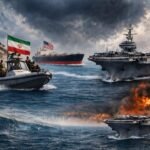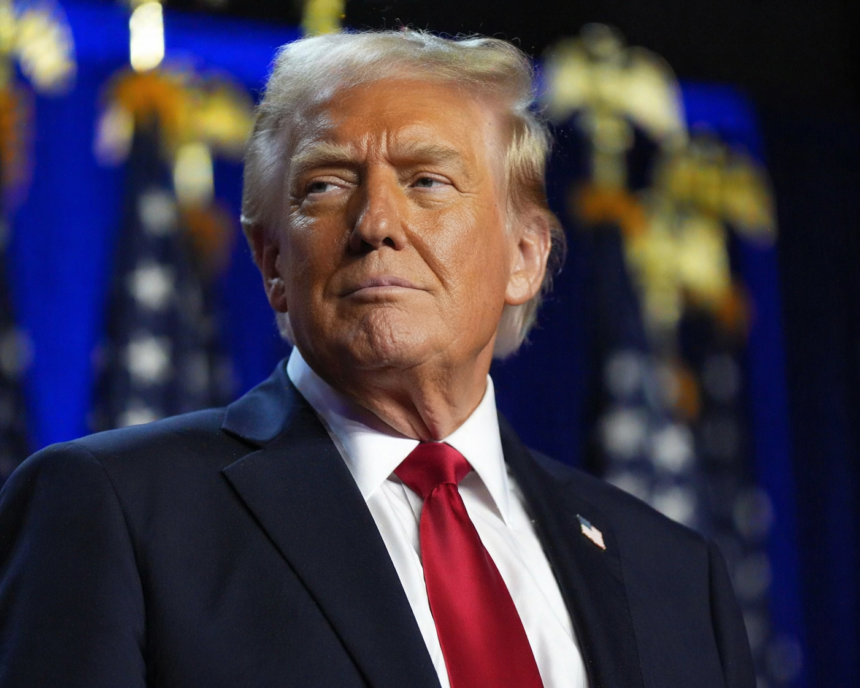
President Donald Trump moved aggressively on April 17, 2026 to frame the Iran war as all but over, using a rapid series of upbeat social media messages and public remarks to suggest the crisis was bending toward a settlement. His optimism leaned heavily on one major development: Iran’s announcement that the Strait of Hormuz was fully open again to commercial shipping, a step that immediately calmed markets and fed hopes that diplomacy might be back on the table.
The message from Trump was clear enough. He treated the reopening of Hormuz not just as a shipping update, but as evidence that pressure on Tehran was working and that a broader deal might now be within reach. The market reaction helped his case, at least superficially. AP reported that oil prices fell sharply after the announcement, reflecting a belief among traders that the danger of a prolonged regional economic shock may have eased.
But the facts on the ground tell a much less tidy story. Even as Trump celebrated the opening of the waterway, he also said the U.S. naval blockade on Iranian ships and ports would remain in force until a larger agreement is reached. That means one of the most coercive features of the conflict is still very much alive. Iran, for its part, condemned the continuing blockade and warned it could respond if the pressure campaign continues.
That contradiction sits at the heart of the moment. Trump is presenting the crisis as if it is moving decisively toward closure, but the architecture of confrontation has not actually been dismantled. The Strait of Hormuz may be open, yet shipping is still being routed through Iranian-coordinated channels, and major military and diplomatic pressure points remain unresolved.
There is also the question of what, exactly, has been agreed. AP’s reporting says mediation efforts are still focused on the hardest issues in the conflict, including Iran’s nuclear activities, maritime access, and compensation for wartime damage. Trump floated the prospect of more talks over the weekend and claimed Iran could move toward U.S. demands, but some of those broader claims had not been confirmed by Iran or by intermediaries in the same reporting. So the public tone is optimistic; the verified substance is still thin.
The regional backdrop is fragile too. The Hormuz reopening came in the wake of a 10-day ceasefire between Israel and Hezbollah, but AP reported that the truce remains shaky, with sporadic violence and unresolved security questions still hanging over Lebanon. That matters because any serious collapse there could quickly undercut the diplomatic momentum Trump is trying to project.
European leaders, meanwhile, welcomed the reopening but did not act as though the danger had passed. French President Emmanuel Macron and British Prime Minister Keir Starmer backed efforts for permanent maritime security in the strait, and discussions were underway on a multinational navigation mission. That response suggests allies are treating this as a temporary opening that still needs hard security guarantees, not as a settled peace.
So yes, Trump has found a favorable moment and is selling it hard. The waterway is open, markets are calmer, and diplomacy suddenly looks possible again. But calling the war effectively over goes well beyond what has been publicly verified. The blockade remains, the core disputes remain, and the ceasefire environment is still brittle. For now, Trump has an encouraging headline. He does not yet have a finished peace.