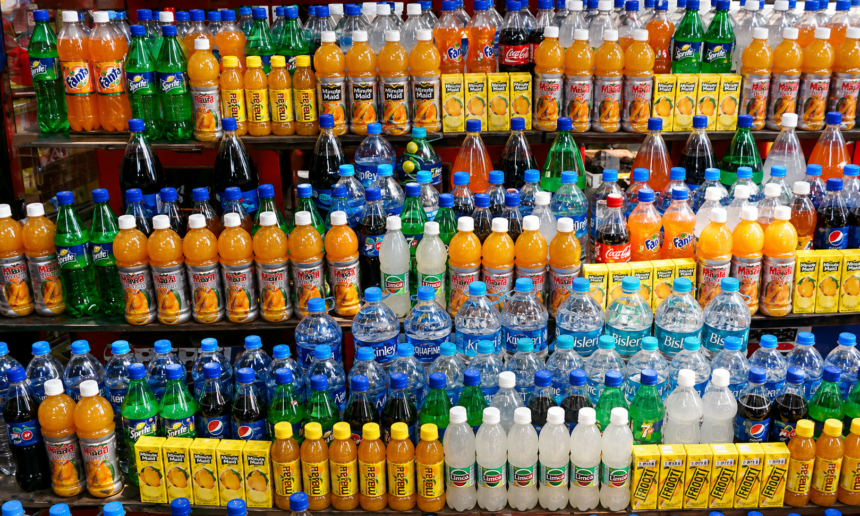
ISLAMABAD: Pakistan’s beverage industry has urged the federal government to reduce the Federal Excise Duty on aerated drinks from 20% to 15% in the upcoming FY2026-27 budget, saying the move would help revive sales, improve factory utilisation and, in the long run, bring more money into the tax net.
The proposal comes at a tricky moment for the government. Islamabad is preparing a tight budget, with pressure to keep revenue targets intact while businesses across several sectors are asking for relief. Dawn reported on Tuesday that the beverage sector has formally pushed for a lower FED rate, arguing that the current 20% levy has squeezed demand in a market where even small price increases can hit household buying decisions.
Industry officials say their case is simple: a lower tax rate could make beverages more affordable, bring back lost volumes and increase overall tax collection through higher sales. That argument is not new, but it has gained fresh weight ahead of the new budget because beverage companies have been warning for more than a year that the combined burden of 20% FED and 18% GST has pushed the effective tax load above 38%. Business Recorder reported last year that the sector believed a cut to 15% could unlock around Rs38 billion in additional tax revenue over 2025-2027 compared with keeping the higher rate unchanged.
The industry’s concern is not limited to soft drinks alone. Packaged juice manufacturers have also argued that higher duties have damaged sales and pushed consumers toward cheaper, often undocumented alternatives. That matters because the formal beverage and juice chain is linked not just to bottling plants, but also to packaging suppliers, transporters, retailers, fruit growers and pulp processors.
People in the sector say higher prices have already weakened consumption. And when consumption falls, the government may collect a higher rate on a smaller base — which, frankly, is the bit the industry wants policymakers to focus on.
The proposal also fits into a wider pre-budget debate. Business groups are pressing the government to avoid piling more taxes onto documented companies, saying this approach punishes firms already inside the formal economy while leaving large parts of undocumented trade outside the tax system. The Federation of Pakistan Chambers of Commerce and Industry has also said its FY2026-27 shadow budget will focus on broadening the tax base instead of placing more burden on compliant businesses.
Still, the government’s room for manoeuvre is not huge. The coming budget is being framed around revenue needs, expenditure pressures and commitments linked to fiscal discipline. Business Recorder reported that the government is already looking at cutting power sector subsidies by around 20% in FY2026-27, underlining how tight the fiscal space has become.
For the Federal Board of Revenue, the main question will be whether a five-percentage-point reduction in FED can genuinely produce enough extra sales to offset the immediate hit from a lower tax rate. Industry representatives insist it can. Tax officials, however, are likely to want clearer numbers, especially at a time when every major relief proposal is being weighed against the government’s revenue target.
The beverage sector’s demand now puts policymakers in a familiar bind: keep taxes high to protect short-term revenue, or reduce the rate in the hope that lower prices, higher sales and better compliance will deliver more over time.
The decision, expected to be taken as part of the federal budget exercise, will be watched closely by manufacturers and retailers alike. For consumers, any relief would depend on whether companies pass the lower tax cost into prices — something the government may also want written clearly into any understanding with the industry.