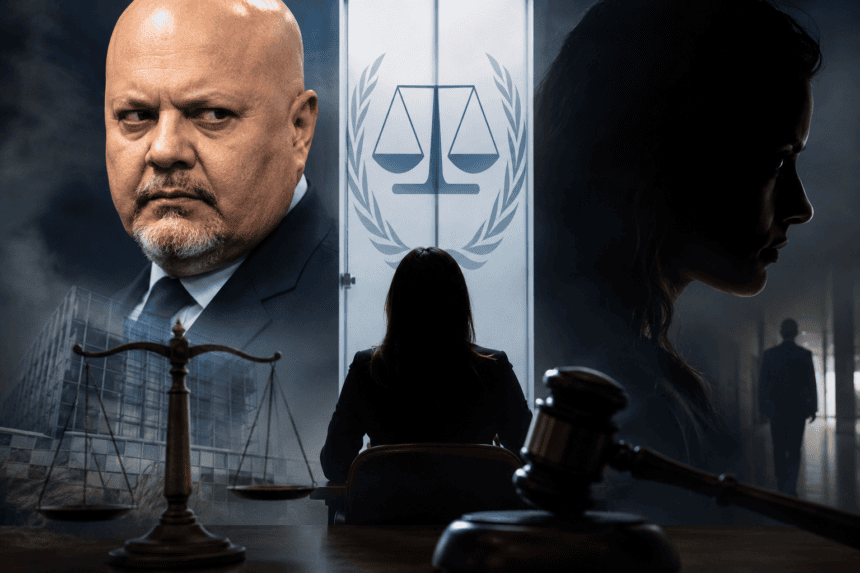
The International Criminal Court is facing a deepening institutional crisis after a former staffer publicly detailed allegations of sexual misconduct against Chief Prosecutor Karim Khan. The accuser, speaking on the record for the first time, described a pattern of behavior that she says created a hostile work environment and shattered trust within the Hague-based institution.
The allegations center on claims of unwanted physical contact and coercive behavior during the complainant’s tenure under Khan. According to the accuser, the incidents were not isolated lapses but part of a power dynamic that made reporting through official channels nearly impossible. She described the internal oversight mechanisms as effectively designed to protect leadership rather than victims.
This disclosure arrives at a precarious time for the ICC. Khan is currently spearheading high-profile investigations into the war in Gaza, including the pursuit of arrest warrants for Israeli and Hamas leadership. Critics of the court argue that the internal scandal compromises the moral authority required to hold global actors accountable for human rights abuses. Supporters, meanwhile, maintain that the court’s legal mandate must remain separate from the personal conduct of its chief officer.
The internal watchdog of the ICC, the Independent Oversight Mechanism (IOM), previously reviewed the allegations. However, the complainant and several legal advocates have criticized the process as opaque. They argue the investigation lacked the independence required to challenge a figure as powerful as the Chief Prosecutor. Khan has consistently denied any wrongdoing, characterizing the claims as an orchestrated attempt to undermine his work on the Gaza file.
For the staff at the ICC, the fallout is tangible. Insiders report a fractured workplace where employees are increasingly wary of the court’s internal justice system. The tension is palpable in the corridors of the Hague, where the distinction between professional legal work and the personal conduct of its leadership has blurred.
Whether this account will trigger a new, independent inquiry remains the central question for the Assembly of States Parties. Without a credible resolution, the court faces a crisis of legitimacy that may prove harder to prosecute than any of the war crimes currently on its docket.