The 2015 Joint Comprehensive Plan of Action (JCPOA) isn’t just on life support; it’s effectively brain-dead. While officials in Washington and Tehran occasionally signal a willingness to talk, the reality on the ground—and in the centrifuges—has moved far beyond the boundaries of the original agreement.
The Biden administration entered office with a stated goal to revive the deal. That ambition withered under the weight of Iran’s accelerating nuclear enrichment program and the hardening of political stances on both sides. Tehran is now enriching uranium to 60% purity, a stone’s throw from the 90% required for weapons-grade material. For non-proliferation experts, this isn’t a negotiating tactic anymore; it’s a strategic hedge against a future where the deal is permanently buried.
The “So What?” is simple: the breakout time—the window required for Iran to produce enough fissile material for a bomb—has shrunk from a year under the 2015 framework to a matter of weeks. International Atomic Energy Agency (IAEA) inspectors are operating with one hand tied behind their backs, facing restricted access to key nuclear sites. Without eyes on the ground, the West is operating on intelligence estimates rather than verified data.
Tehran’s calculus shifted fundamentally when the U.S. withdrew in 2018. The subsequent “maximum pressure” campaign failed to collapse the regime, but it did succeed in convincing Iran’s leadership that international agreements are transient. They won’t trade their primary leverage—nuclear advancement—for sanctions relief that could be stripped away by the next U.S. election cycle.
Washington, meanwhile, is trapped by its own domestic politics. Any “new” deal would require congressional approval, a near-impossible feat in a polarized environment where any concession to Tehran is labeled a betrayal. The result is a diplomatic stalemate disguised as “ongoing communication.”
Regional tensions have only complicated the picture. The shadow war between Israel and Iran, combined with Tehran’s deepening military ties with Moscow, has turned the nuclear issue into a component of a much larger, more volatile geopolitical struggle.
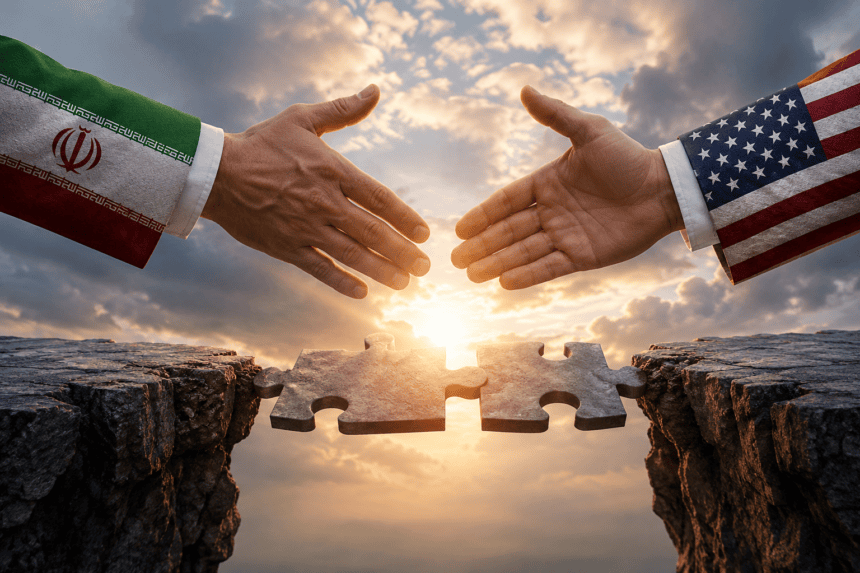
There is no path back to the 2015 status quo. If a rescue attempt happens, it won’t be a restoration of the old deal; it would have to be a new, far more restrictive framework that neither side is currently willing to sign. Until then, the JCPOA remains exactly what it has been for years: a diplomatic relic, kept in the headlines by negotiators who have run out of options but refuse to admit the game is over.