The federal government has earmarked a significant shift in its meteorological strategy for the 2027 fiscal year, moving away from legacy infrastructure toward a grid of AI-driven early warning systems. Budget documents indicate a focus on closing the gap between raw data collection and public alerts, a move long demanded by provincial disaster management authorities.
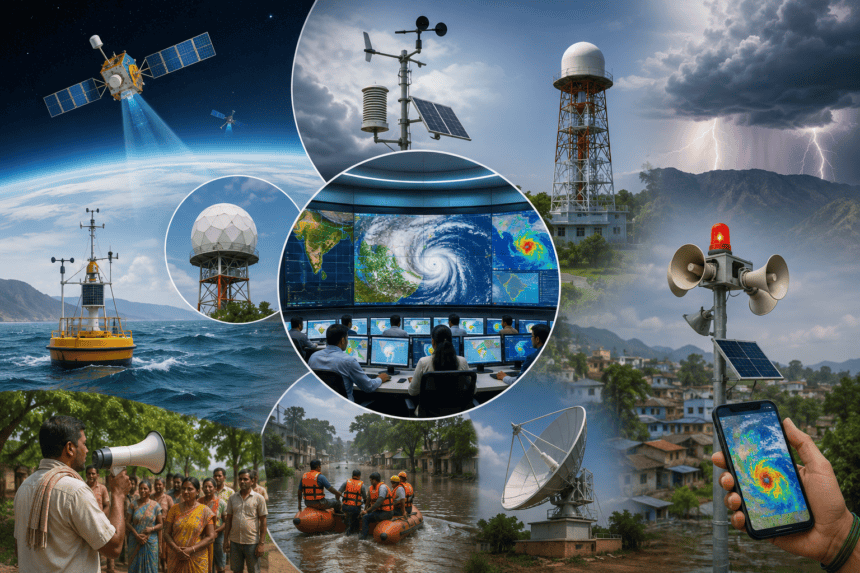
The plan centers on the “Next-Gen Forecasting Initiative.” Officials aim to deploy 50 new automated weather stations across high-risk mountainous regions and coastal belts by the end of the fiscal year. These stations aren’t just for temperature tracking; they are designed to feed real-time atmospheric pressure and seismic data directly into a centralized, machine-learning cloud platform.
Why does this matter? Currently, the lag between detecting a severe weather event and broadcasting an alert can stretch to several hours. In a country where flash floods and sudden heatwaves have become the new norm, those hours are often the difference between a managed evacuation and a humanitarian crisis.
“We are moving from reactive monitoring to predictive modeling,” said a senior official within the Ministry of Climate Change. He confirmed that the ministry has secured international technical partnerships to train local staff on managing the new data streams, though he stopped short of detailing the specific budget allocation for maintenance beyond the initial setup.
The initiative also targets the “last mile” problem. The government intends to integrate its alert system with cellular network providers, forcing a mandatory override for emergency broadcasts. This bypasses the reliance on radio or television—media that many residents in rural areas no longer consume as their primary source of information.
Critics, however, point to the country’s history of “white elephant” tech projects. Skeptics within the meteorological department argue that without a massive overhaul of the existing fiber-optic connectivity in remote districts, the high-tech sensors will be useless. They contend that the government is buying top-tier equipment while ignoring the crumbling infrastructure required to support it.
The success of the FY27 roadmap hinges on whether the administration can maintain these systems once the initial funding is spent. For now, the government is betting that upgrading the hardware is the only way to avoid the catastrophic failures seen in past monsoon seasons. Whether the technology can outpace the climate volatility remains the primary test for the fiscal year ahead.